Lascaux
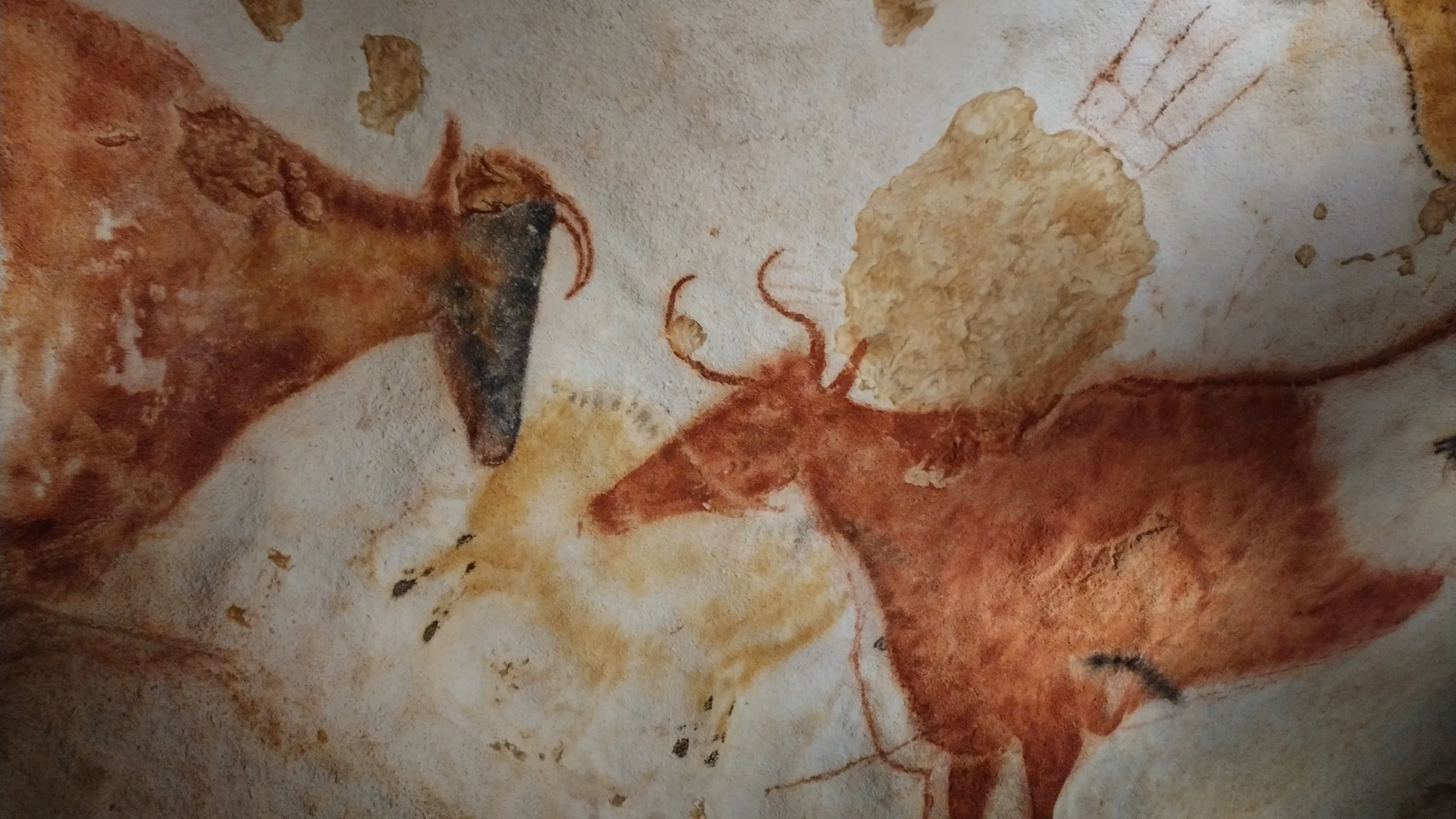
We're in Lascaux - or if not actually there, about as near as we can get. This isn't the actual cave, discovered (or rather rediscovered by modern humans) in 1940, with its walls covered with prehistoric art, it's just a copy. But we're surrounded by dazzling representations of horses and wild cattle and deer and bison, and it certainly looks and feels like the real thing.
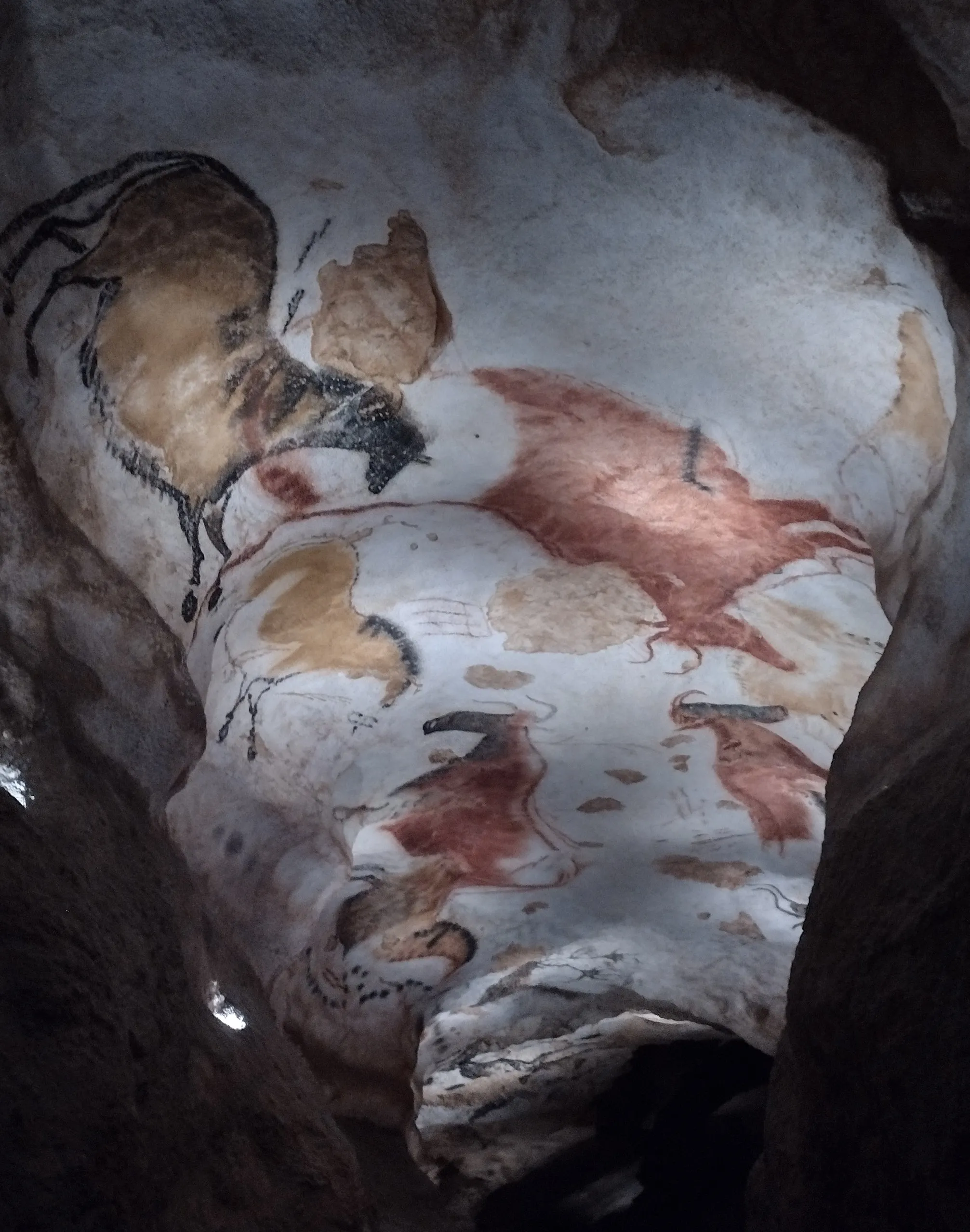
Showing cave art to modern people is a problem. As soon as we walk into a cave to start looking at the paintings, made in this case some 20,000 years ago, we begin to destroy them, just by breathing. Carbon dioxide and damp are bad enough, but then there are the invading plants encouraged by the lights we need to see the paintings. It's as if every time we looked at a painting in an art gallery a little bit of the canvas was chewed away.
This unfortunate fact was discovered at Lascaux only a few years after the caves were found, and in 1963 they were permanently closed to the public, although it seems there are still problems with their conservation. But the art lives on and the replica we are visiting is Lascaux IV (Lascaux II is an earlier copy and Lascaux III a travelling copy of some of the most important paintings). I defy anyone not to be impressed and not to begin asking questions. Why did people start making these paintings? What was their purpose? What do they mean?
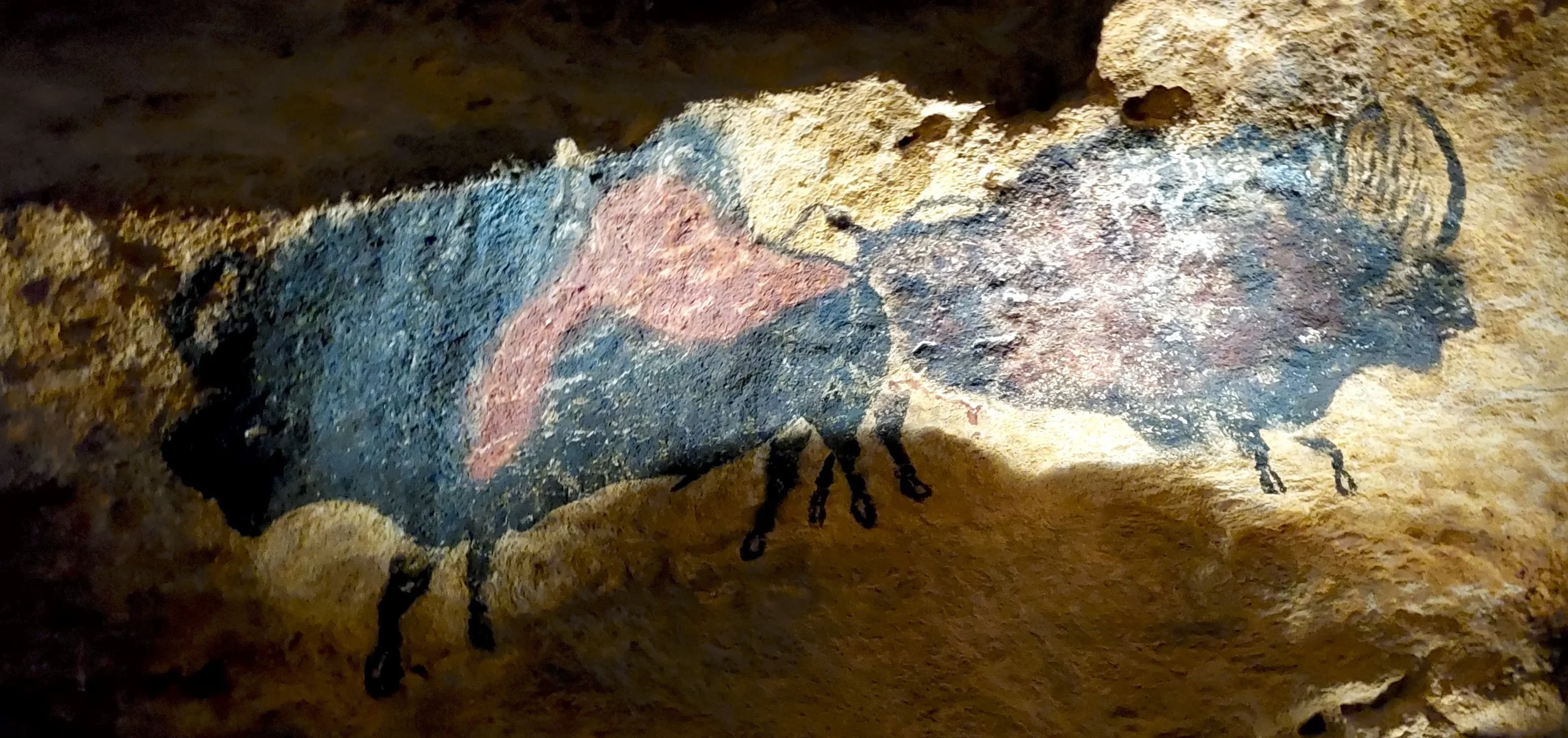
It's impossible to provide definite answers. The painters are not around to be asked, and archaeology can only do so much. All we can do is imagine: artists, often bent into awkward positions as they struggle to represent large wild animals they clearly respect and admire; viewers, perhaps taking part in a religious ritual, brought into the cave to see the painted animals come to life in the flickering light of a tallow lamp. They must have inspired awe, and, quite probably, fear. But, whatever their purpose, art must have been important to those people as there are many decorated caves in the Dordogne region around Lascaux.
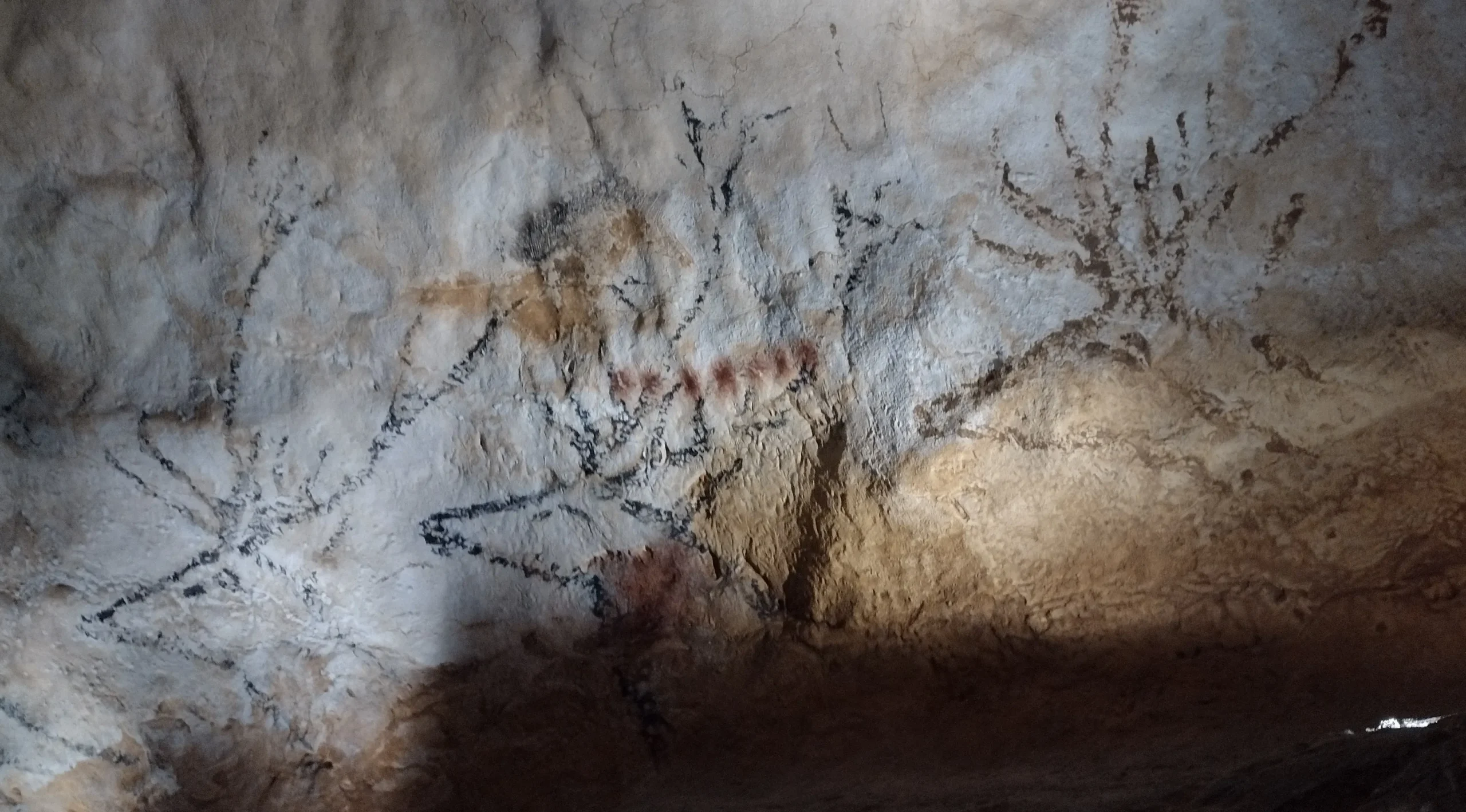
A curious feature of the Lascaux paintings are the abstract signs, usually made in red, near to some of the animals depicted. Some of these, resembling jellyfish as they might be drawn in Minecraft, are said to indicate weapons or wounds. Clearly there was once a message here, but there is no-one who can come close to decoding it. Nor does anyone know why there is only one human represented, in a rather inaccessible part of the actual cave.
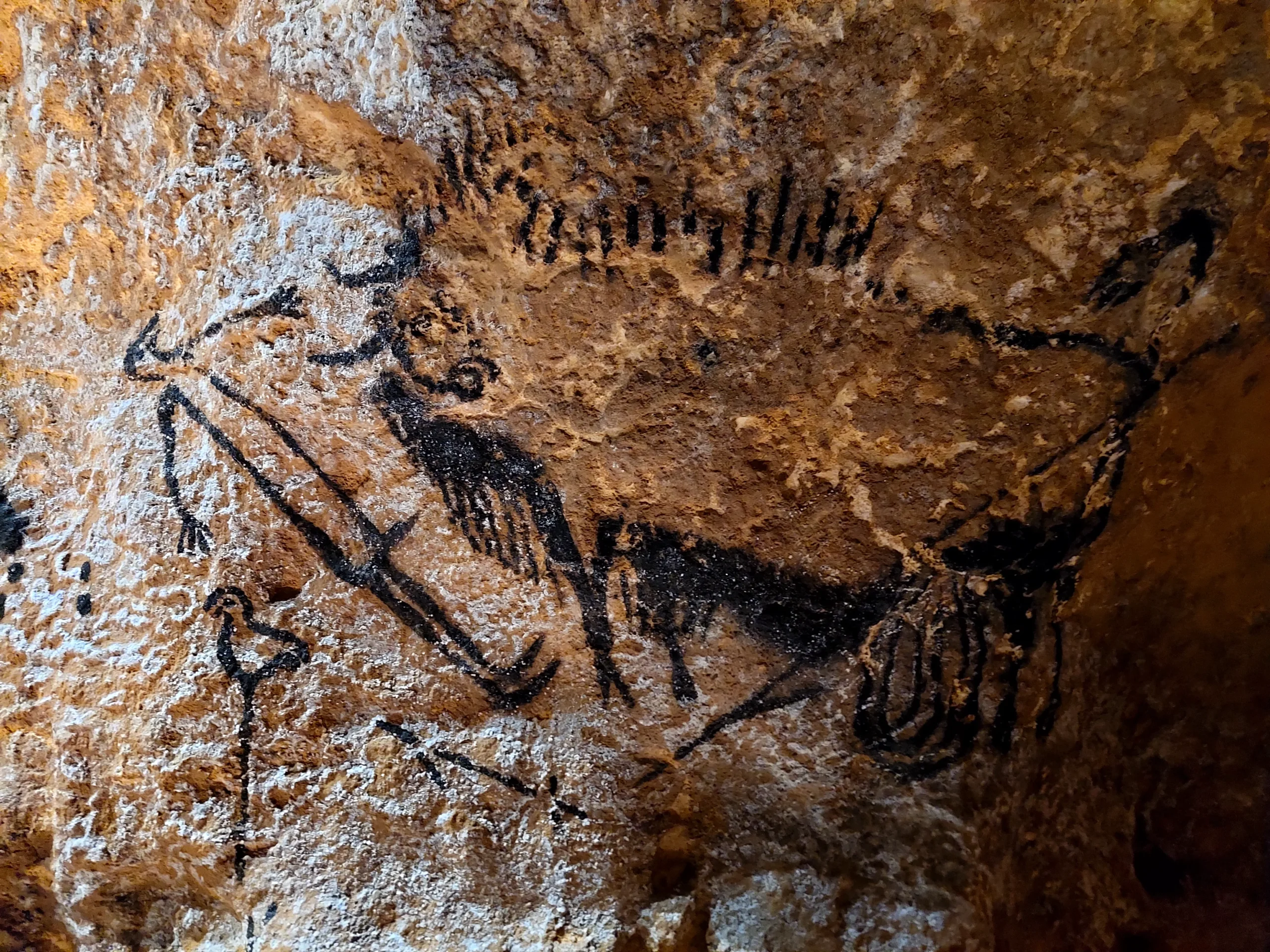
In the second part of the visit to Lascaux IV, we discover in the workshop how the paintings were made. There are also films and immersive shows that help explain what we have just seen and an interactive exhibition demonstrating how prehistoric art has influenced modern artists, like Picasso, who was fortunate enough to have visited the real Lascaux cave, where he is supposed to have declared that "We have learned nothing in 12,000 years." We can even select an exhibition of our favourite prehistoric and prehistoric-influenced modern works of art and electronically put them up on the walls.
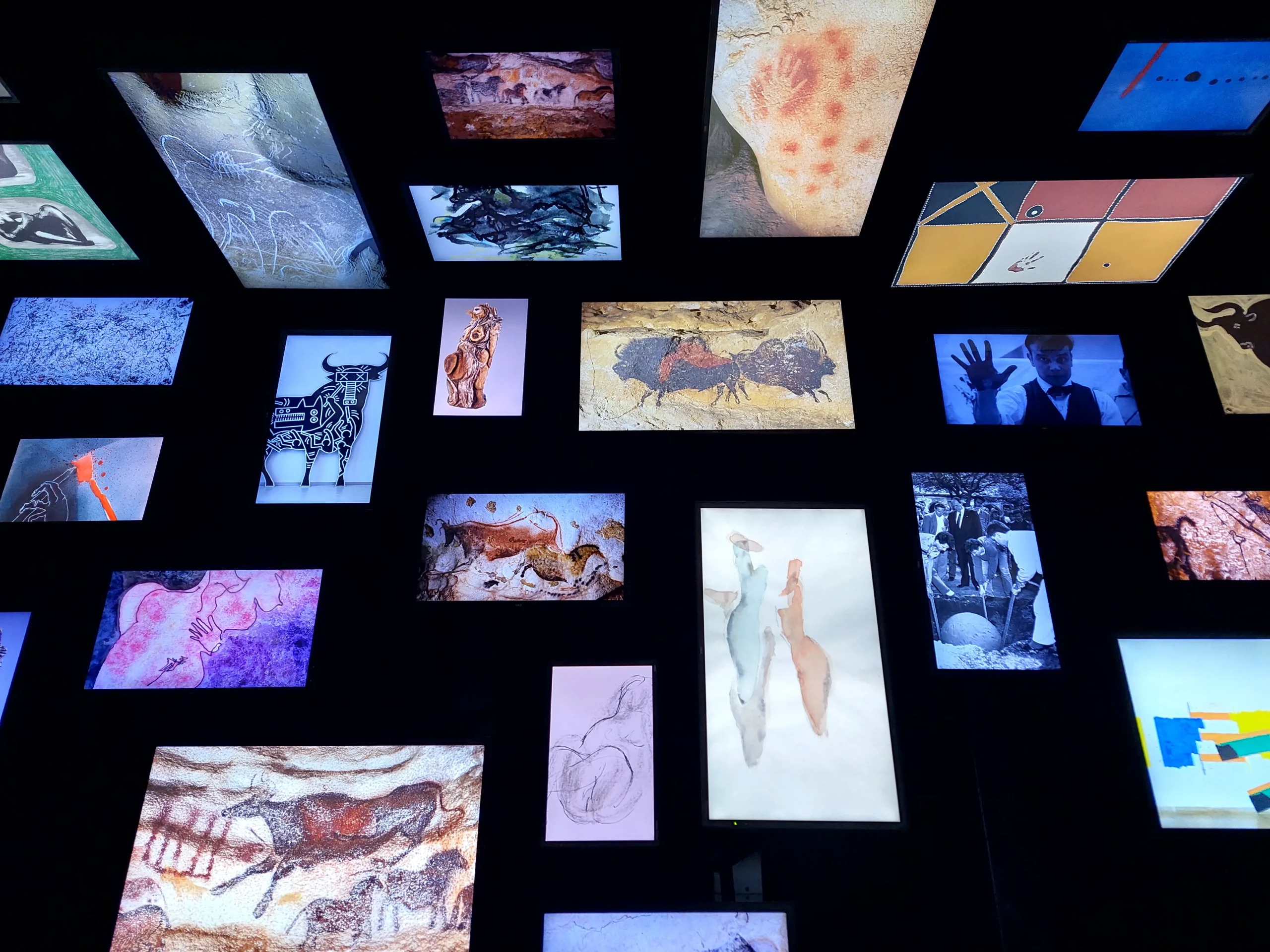
So we've seen the paintings more easily and accessibly than we could have in a real cave, learned more about them, and understood their context much better than if we'd struggled through darkened passageways unwittingly destroying the art as we went. We've certainly felt as if we've seen the real things, and almost certainly had a better experience. But if that's the case, what value does any original have? Why do we feel the need to see any painting actually made by an artist, when perfect copies can always be made? And yet somehow we do. As it always has, prehistoric art raises more questions than answers.