Bristol
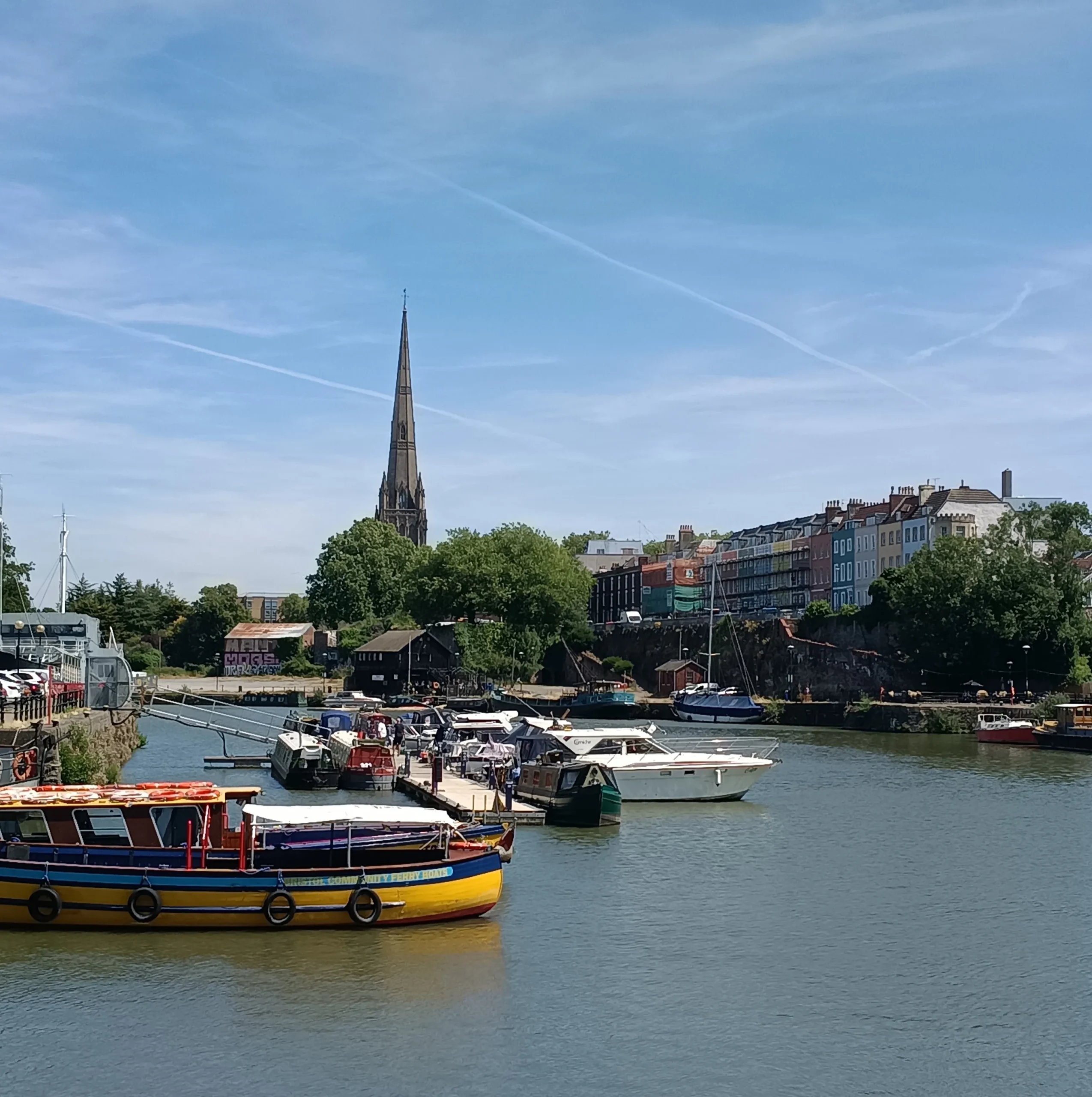
Bristol was my home for three years when I was at university, but I've only been back for fleeting visits since graduating in 1984, and it's been a long time since the last one. Now I'm here again, and trying to map my 40-year-old memories onto the city of the 2020s. It takes me some time to work out that what looks like a new shopping centre is really only the ugly mid-20th century Broadmead, where I used to buy my clothes all those years ago, given a bit of spit and polish and a couple of glass and steel canopies. Neither of us loves shopping and we quickly find what we need before going to catch a bus to relive my university days. Fortunately, it arrives quickly and isn't difficult to use. We're quickly on our way up the hill to the top of Park Street.
Bristol is all about hills. I know this very well as my three student years in Bristol were largely spent walking up and down them. I rarely used public transport due to lack of cash and ignorance of routes and timetables, but it did mean there was a lot of sweating and struggling up brutal slopes. In my first year I lived right at the top of one, in a hall of residence on Clifton Downs. That was all very well in the morning, stumbling down to a nine o'clock lecture, half asleep and full of breakfast. It wasn't so wonderful when you had to struggle back all the way up Whiteladies Road in the afternoon. In my final year, I lived right at the bottom, in Bedminster. That provided the reverse experience - going to lectures or evening social events at the students' union involved mountaineering, coming back was a lot less strenuous.
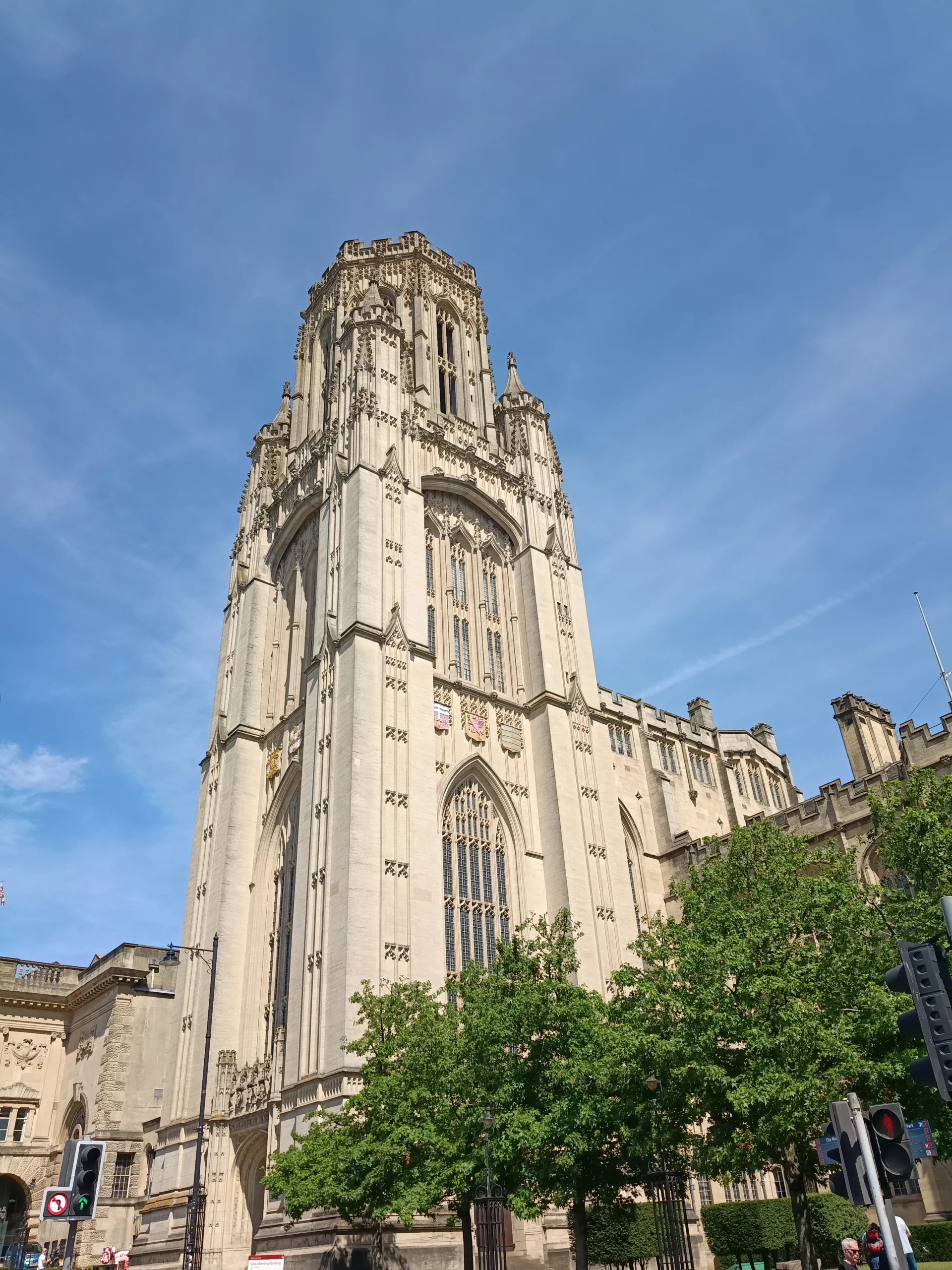
At the top of Park Street's hill stands an impressive tower which most visitors probably believe is medieval. In fact, it belongs to the 20th-century neo-Gothic Wills Memorial Building. It seems the Wills tobacco family didn't believe anyone would take "their" university seriously if it didn't look like Oxford or Cambridge, and so commissioned architect Sir George Oatley to produce a massive fake. He did a convincing job - the building designed to impress does so comfortably. I used to have most of my lectures, although it seems the history department has now moved elsewhere.
The university may have impressed me when I first arrived, but it was living in the city of Bristol that I really came to love, and we retrace my student steps down Park Street. Although few if any shops have survived from my time, the pleasant atmosphere of the place is the same. Here's an art shop. There's a bargain book shop. Down there is the Hippodrome Theatre where I went to see plays, comedy shows (Rowan Atkinson and Barry Humphries stick in the memory) and even the occasional rock concert. And at the bottom is Bristol Cathedral.
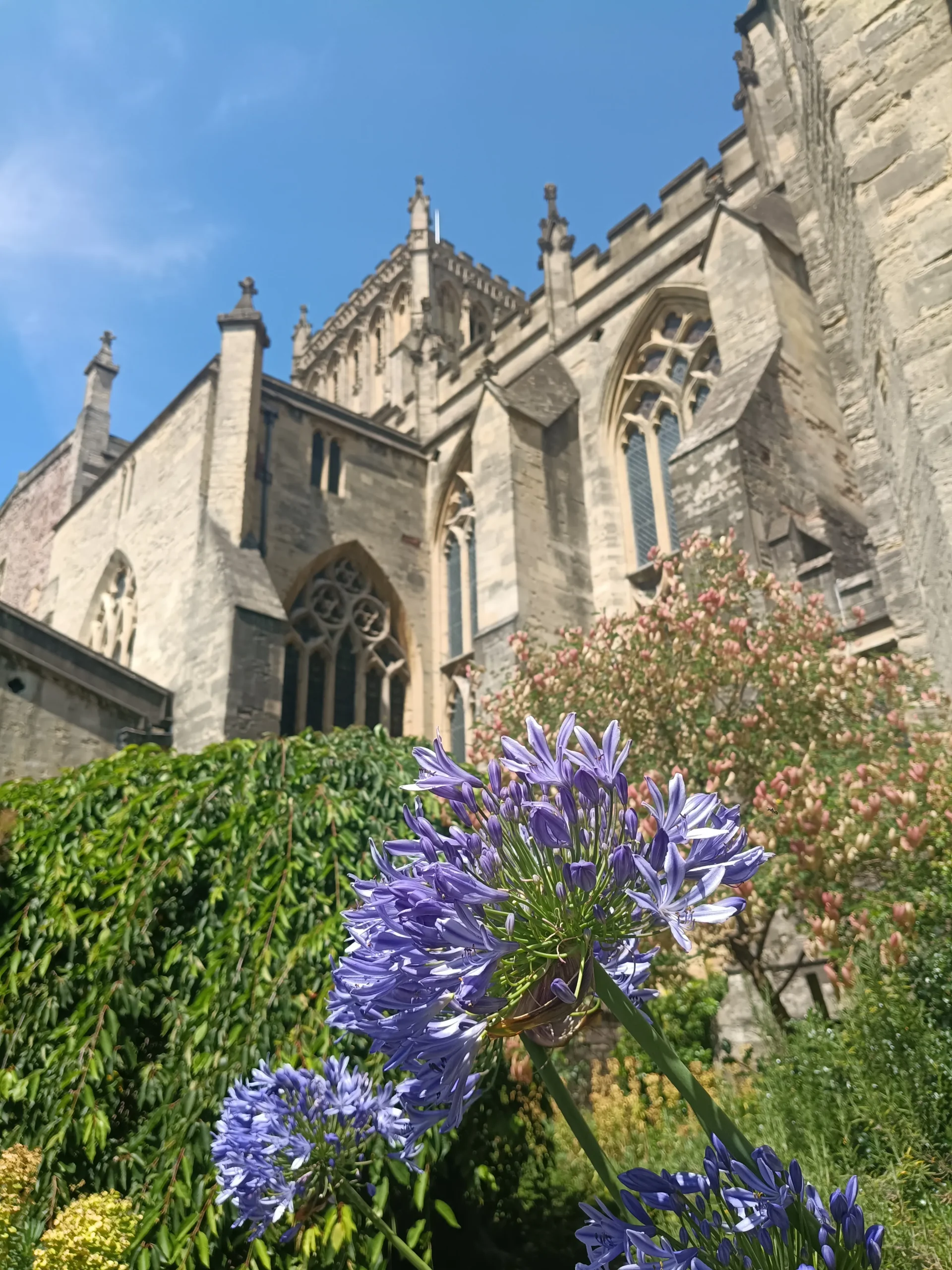
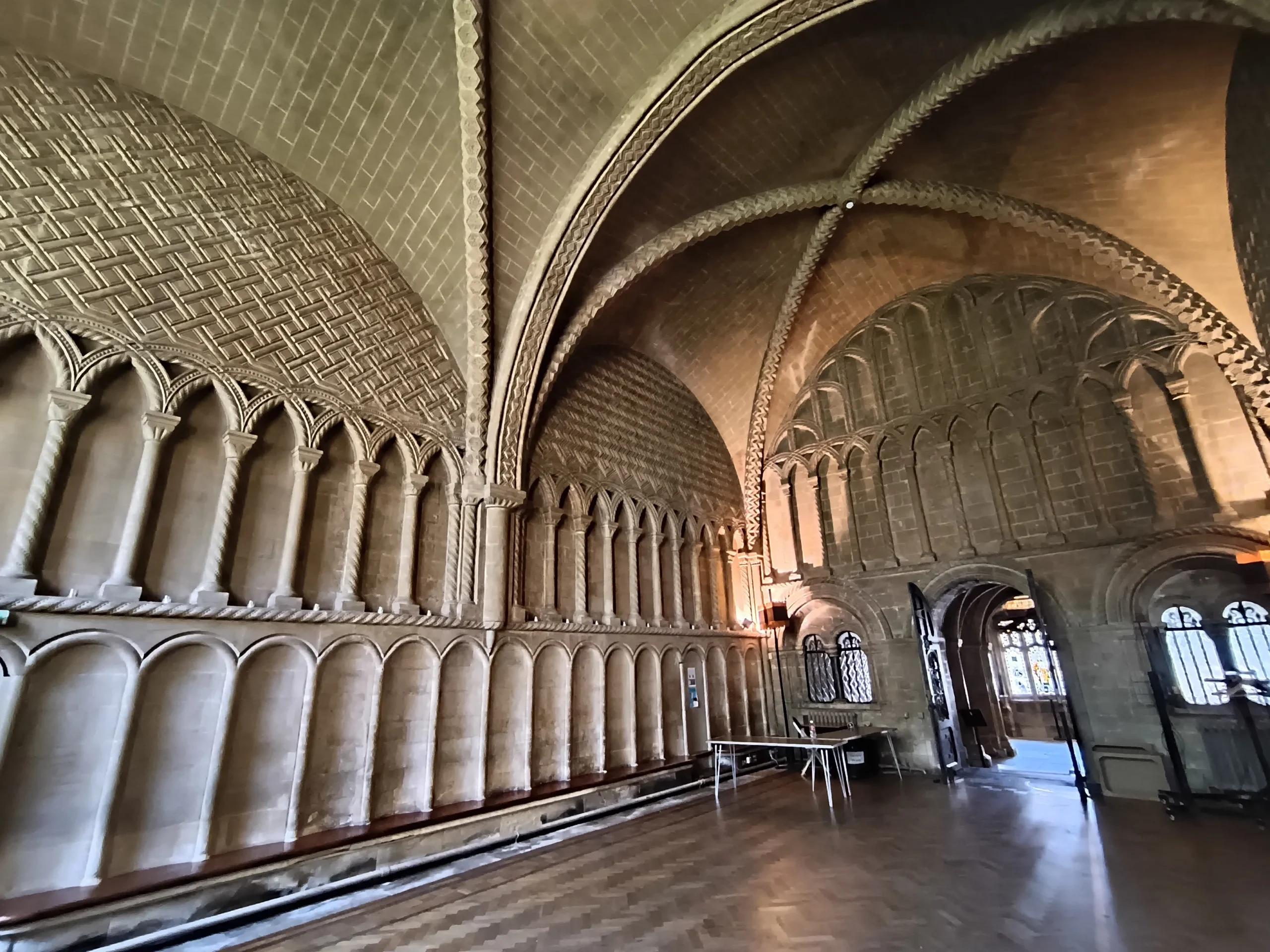
I'd visited before, many years ago, but in a country where the cost of visiting historic sites is often offensively high, Bristol Cathedral, with its £5 suggested donation and explicit policy of welcome for everyone, religious or otherwise, comes as a breath of fresh air. You'd put money on the Gothic splendour here being genuinely medieval, but you'd only partly be right - it turns out that one end of the nave and the western towers are actually only 150 years old. What is unquestionably splendid about the cathedral is its spectacularly beautiful Norman chapter house, dating from the days when the cathedral was founded, originally as an Augustinian abbey, in the 12th century.
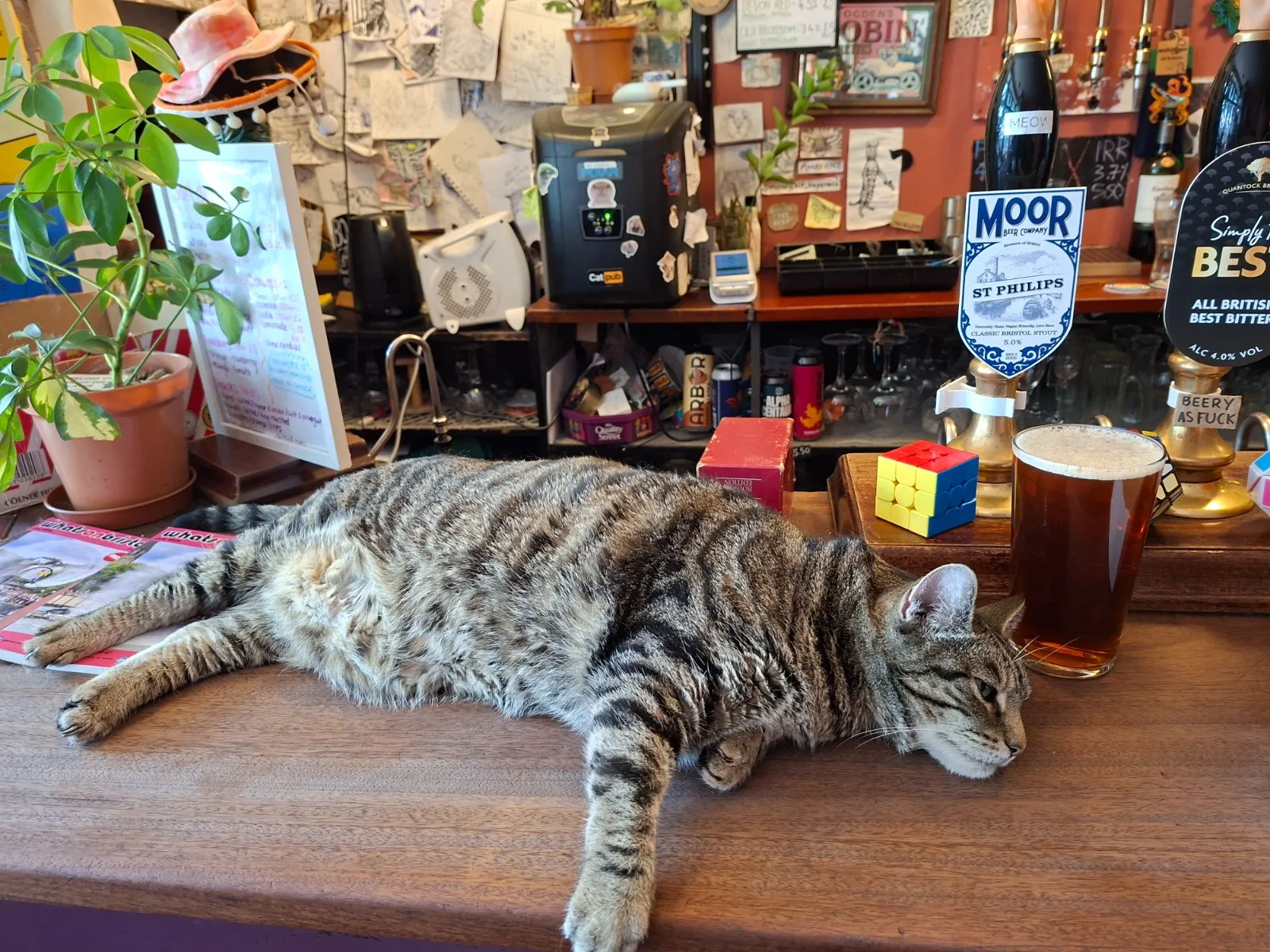
But now we're getting thirsty and it's time to look for somewhere we can get a pint of proper English beer - the kind my dad brought me up to drink! Luckily, we know precisely the place to go, just down the road in the Hotwells district. The Bag of Nails is one of the most famous pubs in the country, especially if you're a cat lover like us. We're told it has a resident feline population of 11, although many of them spend most of their time in the private garden rather than the bar. Sally, an elegant tabby, is clearly the star of the show, sitting on the bar as if she owns it, and we also witness a couple of other cats walk through as we sip our beers and enjoy the signs chalked on the wall warning drinkers that "Pussy jokes are not funny" and that "Racists, etc can just sod off!"
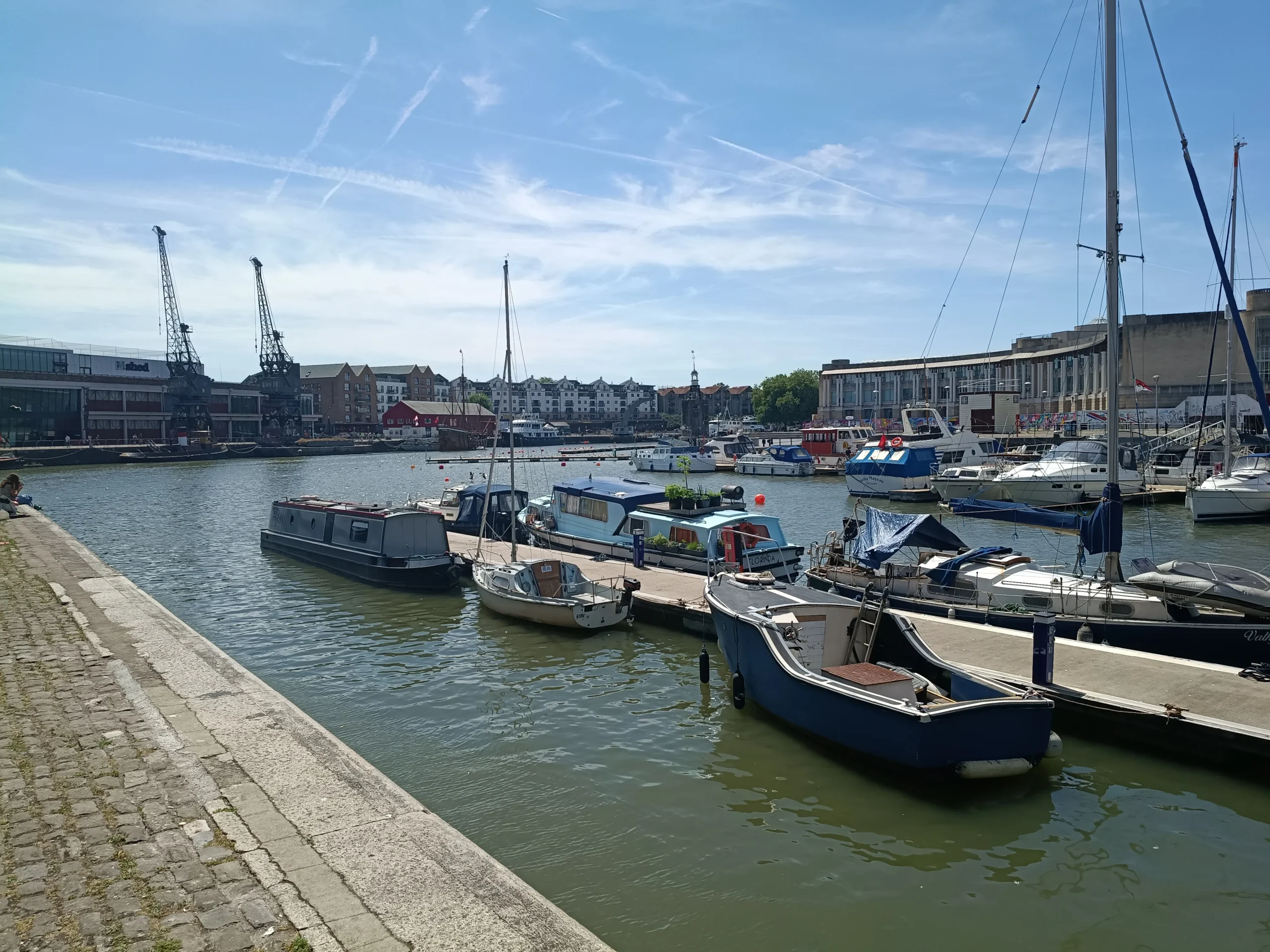
We leave the pub behind and walk alongside Bristol's Floating Harbour, designed in the 18th century using locks to prevent docked sailing ships being stranded on the mud of the tidal River Avon. When I was a student it was mostly lined with abandoned warehouses, although work to rehabilitate some of those buildings had already begun, with the opening of the Arnolfini and Watershed arts centres. Now it's full of trendy shops, bars and cafes and even more arts venues, although amid all the development it doesn't seem to have entirely lost sight of its past. We enjoy being by the water so much that, after a snack, we decided to take a boat trip. Actually finding where to board is not an easy task, but once we work it out we find a very reasonably priced ferry trip all the way round the Floating Harbour, which is a delight in the July sunshine. Then it's back to our hotel to cool down and rest before heading out for a highly enjoyable Mexican meal just round the corner. It's good to see you can still eat well in the city.
The following morning we're heading up to Clifton - the genteel part of Bristol, just as it was in my student days, when those of us without rich parents or private means couldn't contemplate the rents there. As we drive along its leafy streets, I remember gatecrashing parties full of wealthy students, some of whom envied the more "authentic" accommodation i was living in that year, overlooking the edgy St Paul's district. "We're really into riots" I remember one posh boy telling me, with wide-eyed sincerity.
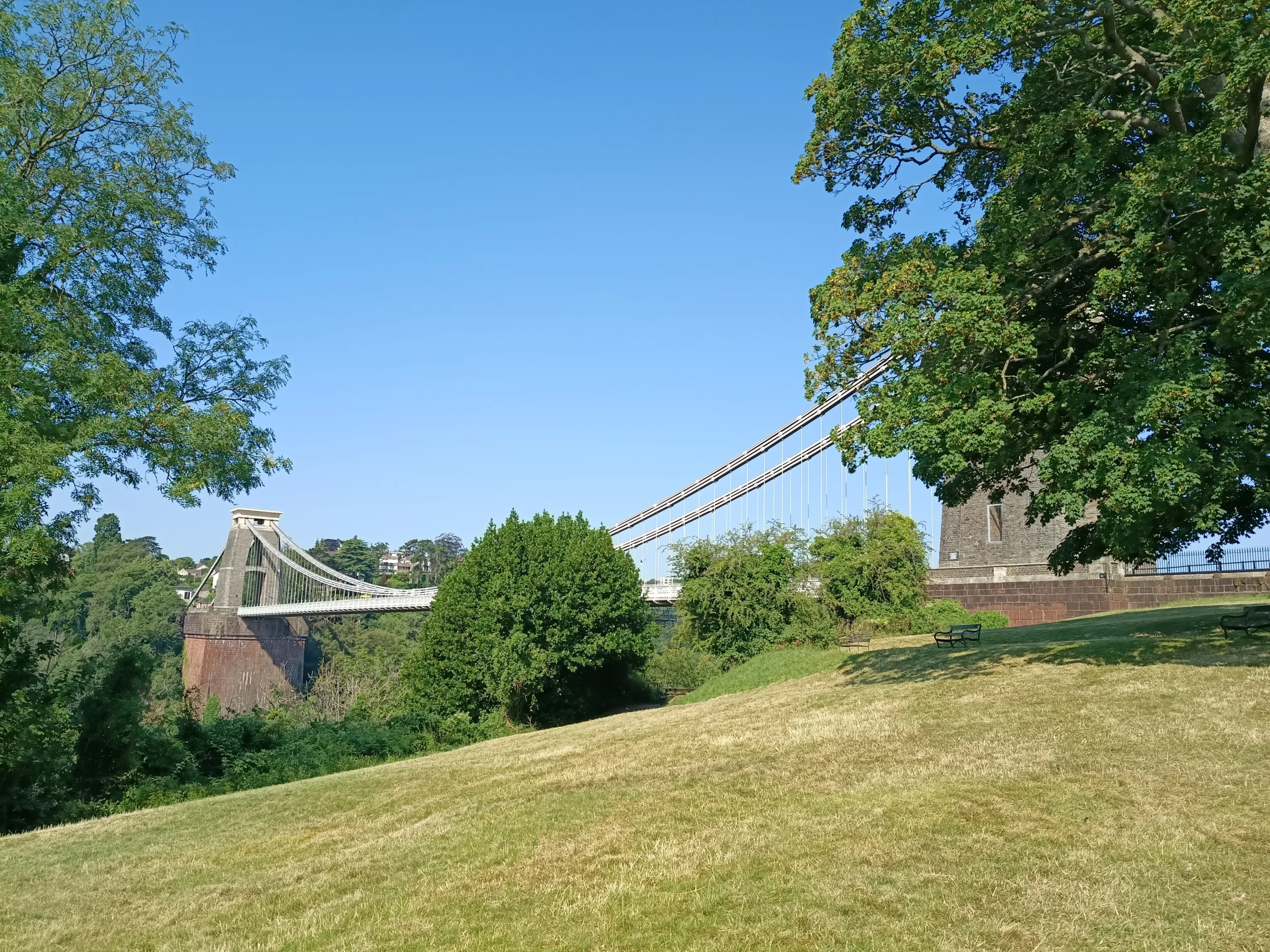
We reach our destination, the Clifton Suspension Bridge, originally designed by the famous and splendidly named engineer Isambard Kingdom Brunel, but not completed until after his death because the peace of the city was disrupted by civil disorder (presumably my posh young friend from that party 350 years later would have approved)! But it's hard to imagine a more graceful structure to cross the spectacular Avon Gorge. Bristol was a joy to live in more than 40 years ago and it's a joy to visit now. I begin to wonder, if I'd stayed there, whether I'd have ever left.
Driving away from the bridge, we stop for petrol at "the last garage before the motorway". I'm surprised to find an man, pump in hand, ready to fill up the car. I mention to him that, in a self-service age, his filling station is something of an endangered species. "Yep," he replies. "There's only 16 of us left in the UK now." The man, who is clearly well into his seventies, proceeds to explain, in an almost impenetrable Bristolian accent, how much every petrol delivery now costs him. "My children tell me I should sell up," he says. But he clearly can't contemplate going anywhere other than this particular corner of England's Westcountry. "What would I do with a million quid? Where would I go?" he asks, rhetorically. Where indeed?