Badalona Museum (Badalona, part 2)
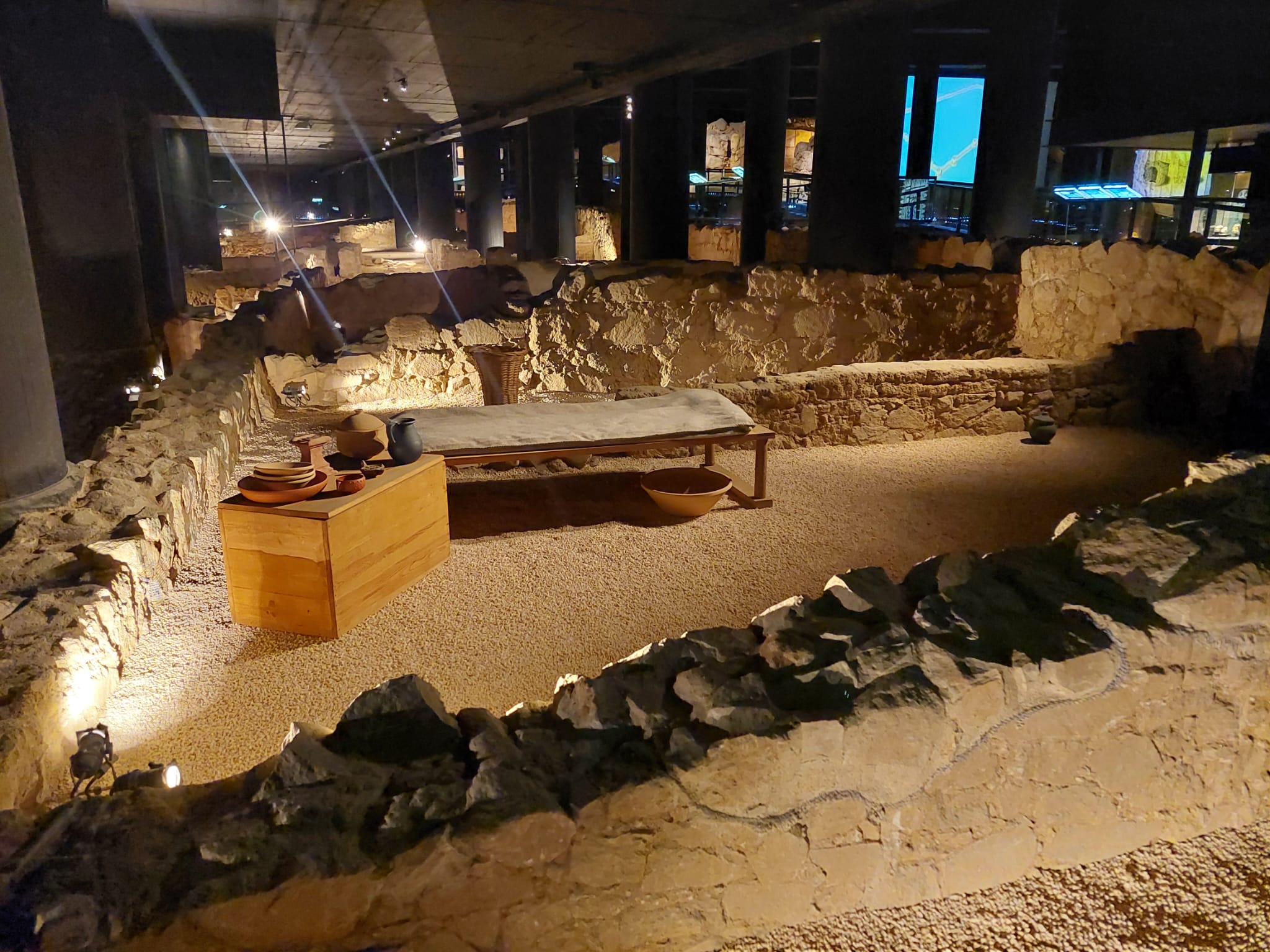
There's something deeply impressive about being able to actually see the roots of the place where you live. In England we know that there were many generations before us but it's not often we can come face to face with the physical remains of the town we call home beyond, perhaps, a medieval church or house. But in Badalona, where I live now, we can go back more than 2,000 years just by paying a visit to the city's museum. I've been many times, but it still sends a shiver down my spine.
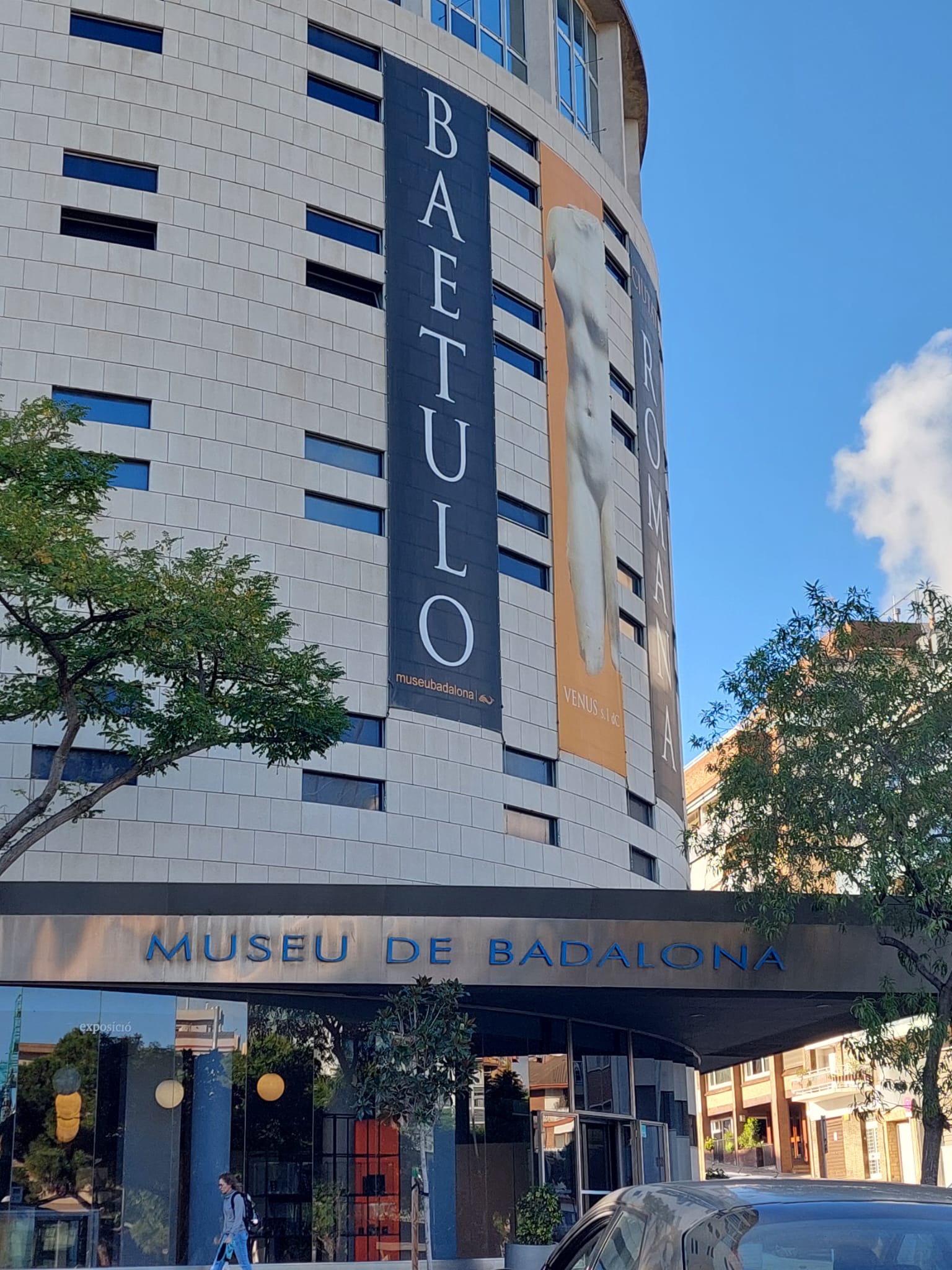
Badalona museum is a modern-looking city-centre building. It's hard to guess from the outside that it conceals some of the best-preserved Roman remains you're ever likely to find. Because Badalona was Roman Baetulo, a city founded in 100 BC and much of it still lies under parts of the existing city, not just here at the museum, but under other buildings too, where underground remains are also opened to the public on special days during the year. There's even a block of houses in the oldest part of town built in a rather odd curved shape - odd, that is, unless you realise that they're following the shape of the seating for the old Roman theatre.
The Romans were drawn into Spain by their wars with the Carthaginians before they even considered having an emperor. By the end of the conflict, they already controlled a large part of the Iberian Peninsula, including all the Catalan coast. And, being Romans, they decided to civilise their newly conquered lands mostly by building new cities away from the old Iberian population centres, a couple of which can still be seen on the tops of hills not far from modern Badalona.
Baetulo was just one of these new Roman cities, always built on the same grid pattern around the cardo maximus (the main north-south street) and the decumanus maximus (main east-west street). Where they crossed, there would be the forum.
Under Badalona's museum is the area around the edge of Baetulo's forum, with its little shops and taverns and one or two lavish houses. You can also clearly see the baths, with a distinctive dolphin mosaic, although all Roman depictions of dolphins show they seem to have had a fairly hazy idea of what the marine mammals actually look like. To bring the ruins to life there are reconstructions of furniture and the wares that might have been on sale in some of the shops.
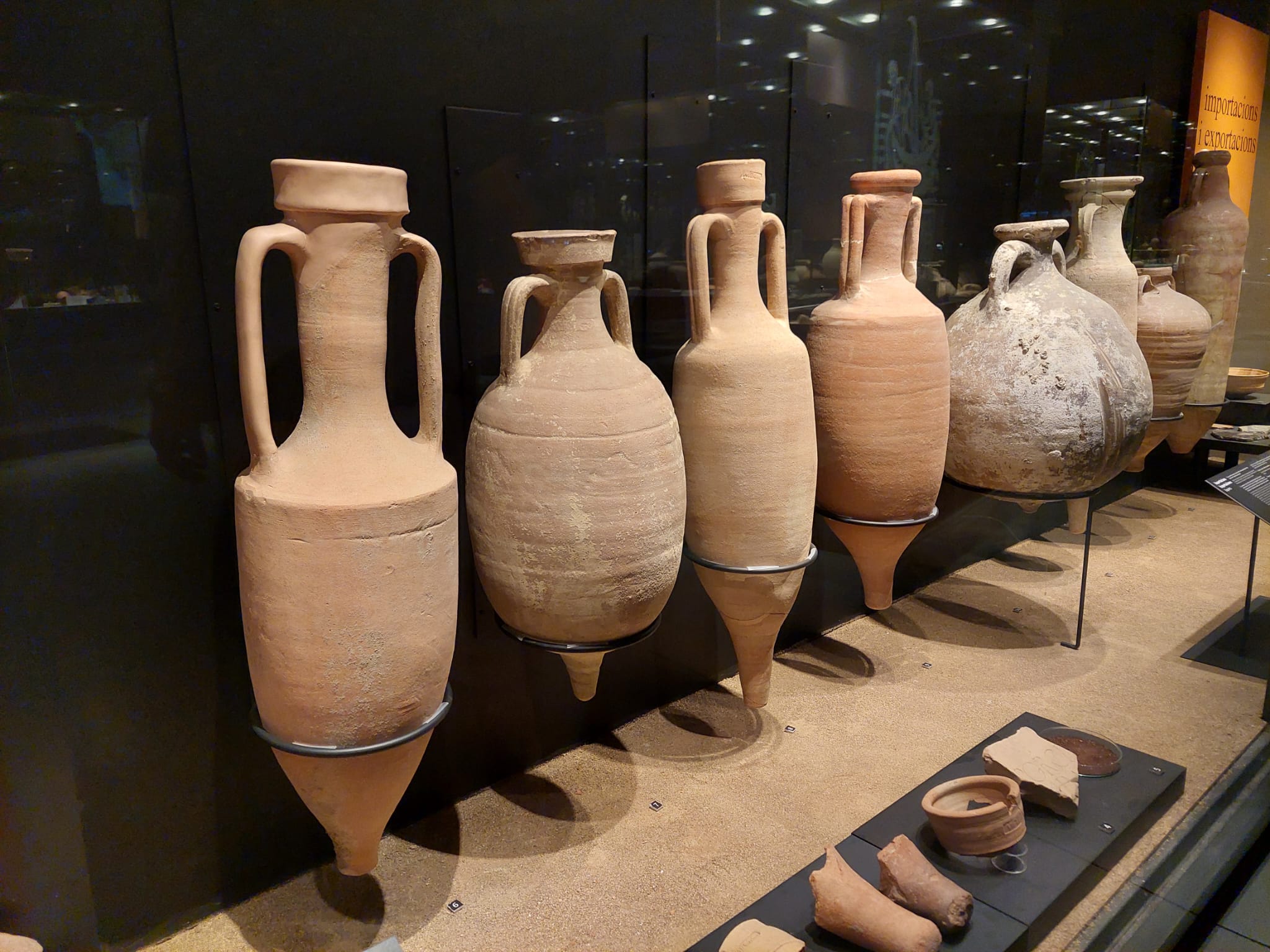
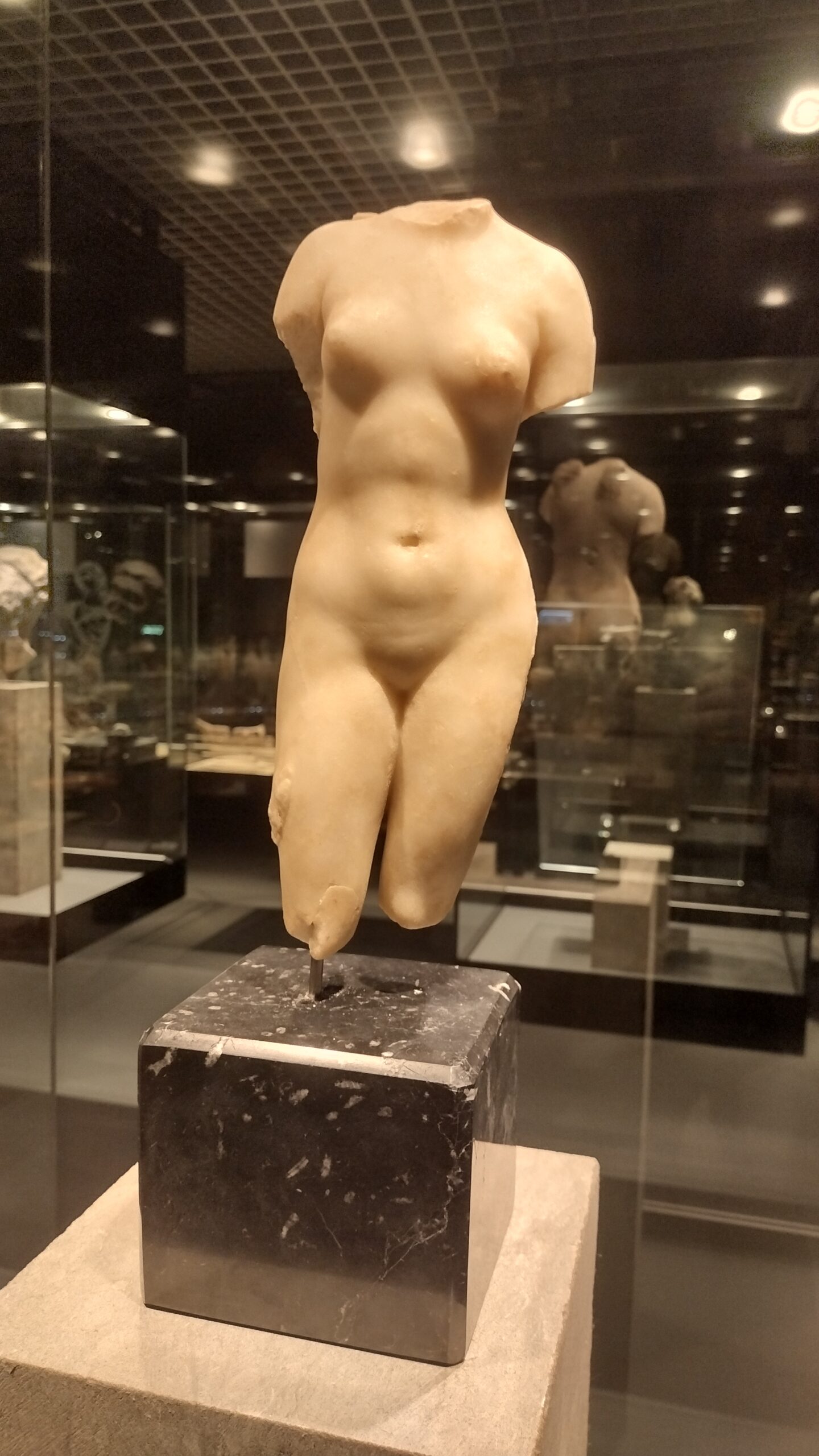
Down here, among the ruins, displays also show some of the finds made at various Roman sites in Badalona city centre. There is evidence of Baetulo's main source of wealth - its winemaking industry - and the city's most celebrated find, a statuette still beautiful despite its lack of head and arms, known as the "Venus of Badalona". There are also evocative fragments of wall paintings, with explanations of how they were made.
Today I'm here with my partner and her brother, both from Brazil, which has virtually no historical remains predating 1500. The age of everything around us certainly gives us pause for thought as we follow the circuit, as does the fact that there is almost no-one else there. Because Badalona museum is an unknown gem. Here, within less than half an hour by metro from the centre of Barcelona, are some of the best-preserved Roman remains anyone's likely to be able to show you in Catalonia (at least until you go to Tarragona, which will undoubtedly be the subject of a future post). And yet, most likely because of an almost criminal lack of publicity, virtually nobody comes to see them. So next time you're in Barcelona and want to see something different I urge you to take line 2 of the metro to Badalona Pompeu Fabra (during the building of which an entire Roman amphora factory was found!), walk a few hundred metres, and venture underground into Baetulo's glory days.
That golden age didn't last, of course. Within a two or three centuries, the city had gone into decline. You can see this in the museum, where a late Roman house has been extended into the cardo maximus, something that would never have been allowed if the earlier strict planning regulations were being enforced. By that time, of course, local pre-eminence had shifted to a johnny-come-lately city founded a century later than Badalona just down the Via Augusta - a little place named Barcino, better known nowadays as Barcelona...