Rome (seven snapshots)
The Vatican Museum
They call it the Eternal City, but they might just as well talk about the city of eternal confusion. Hard, accurate information is hard to come by in Rome. Which is why we're rushing up towards the Vatican Museum hoping to find the ticket for our time slot instead of taking a leisurely stroll. We asked our little hotel for advice about how best to get there and were encouraged to take an airport bus that crawled its way into the city only to drop us miles away. It turned out a train could have taken us there in no time.
So now we need to find our expensive tickets bought two months in advance. The shop where we're supposed to pick them up seems to have three branches and when we find the right one we can't work out the queuing system, if there even is one, leading us into sharp discussions with one of the assistants. Tickets finally in hand, we then have to work out the queue to get in. In Rome, the "jump the queue" claim on more or less the only tickets you can buy is, you might say, relative.
We're in, through the cosmetic but time-consuming security measures, and, for a few delicious moments, we're almost the only people looking at galleries of extraordinary Roman and early medieval remains. No-one seems to come here. All of them, especially those who are in Europe to hunt the biggest sightseeing game, have their eyes unwaveringly on the prize, which around these parts is the Sistine Chapel.
We discover this when we later ask an attendant how to get there. "Go that way," he says. "You have to follow the route." The "route" passes through fascinating Egyptian artifacts and beautiful galleries full of astonishing treasures which anywhere else we'd stop and feast our eyes on, but here we're carried along by the pilgrims of the Sistine Chapel.
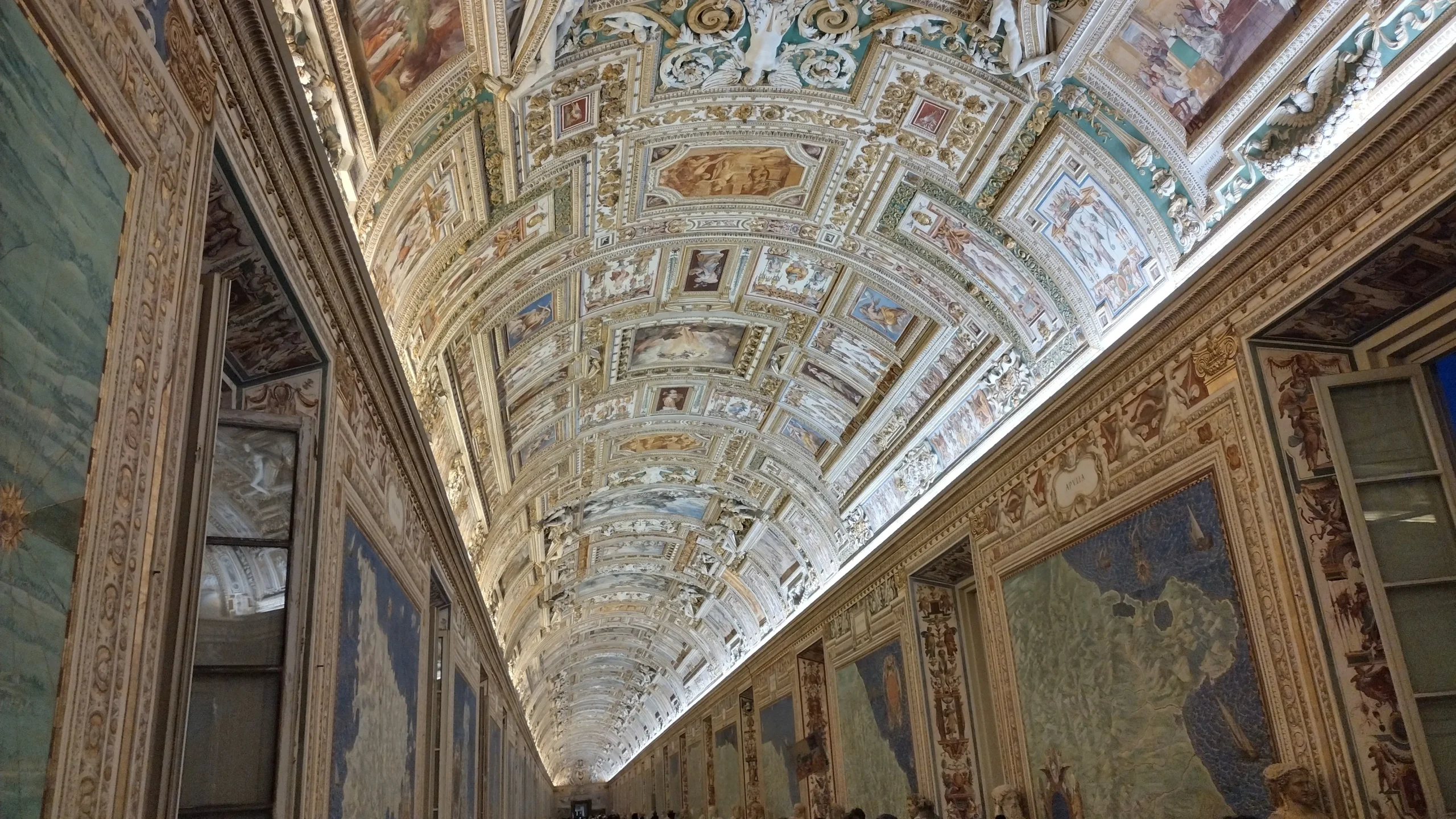
On we go, into my personal favourite part of the Vatican museum: the map gallery. Here, painted on the walls, are maps of every corner of Italy. You can just imagine Renaissance popes, in the days when the Papal States were an earthly power extending considerably further than the modern Vatican City, coming here to discuss their latest military campaigns. It's beautiful and evocative, and I love it.
But we're whisked through, up stairs and down and around a corner and eventually...there is Michaelangelo's masterpiece above and all around us. Every panel on that ceiling is simply astonishing. And the history in here is palpable. All those popes elected here. All that plotting and scheming. For a few precious moments in this unique place, those crowds simply don't matter. We can look, and feel, and breathe it all in. And thankfully the attendants no longer try to push people out when they think they've been in the chapel long enough, as they once used to. This is the Vatican, and we have to be thankful for small mercies.
Verdict: Difficult to get tickets, horribly overcrowded, but still worth it.
2. Castel Sant'Angelo
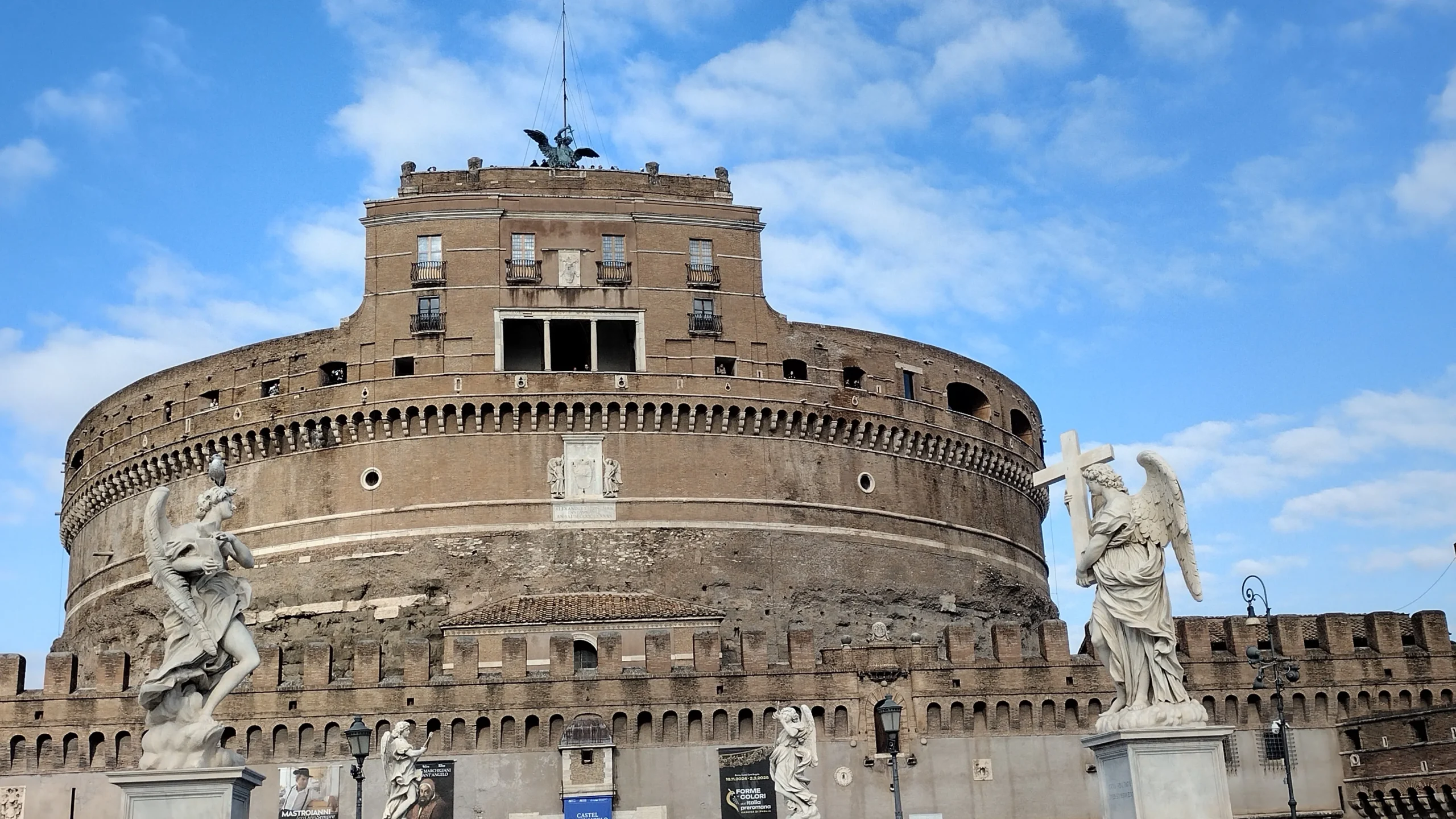
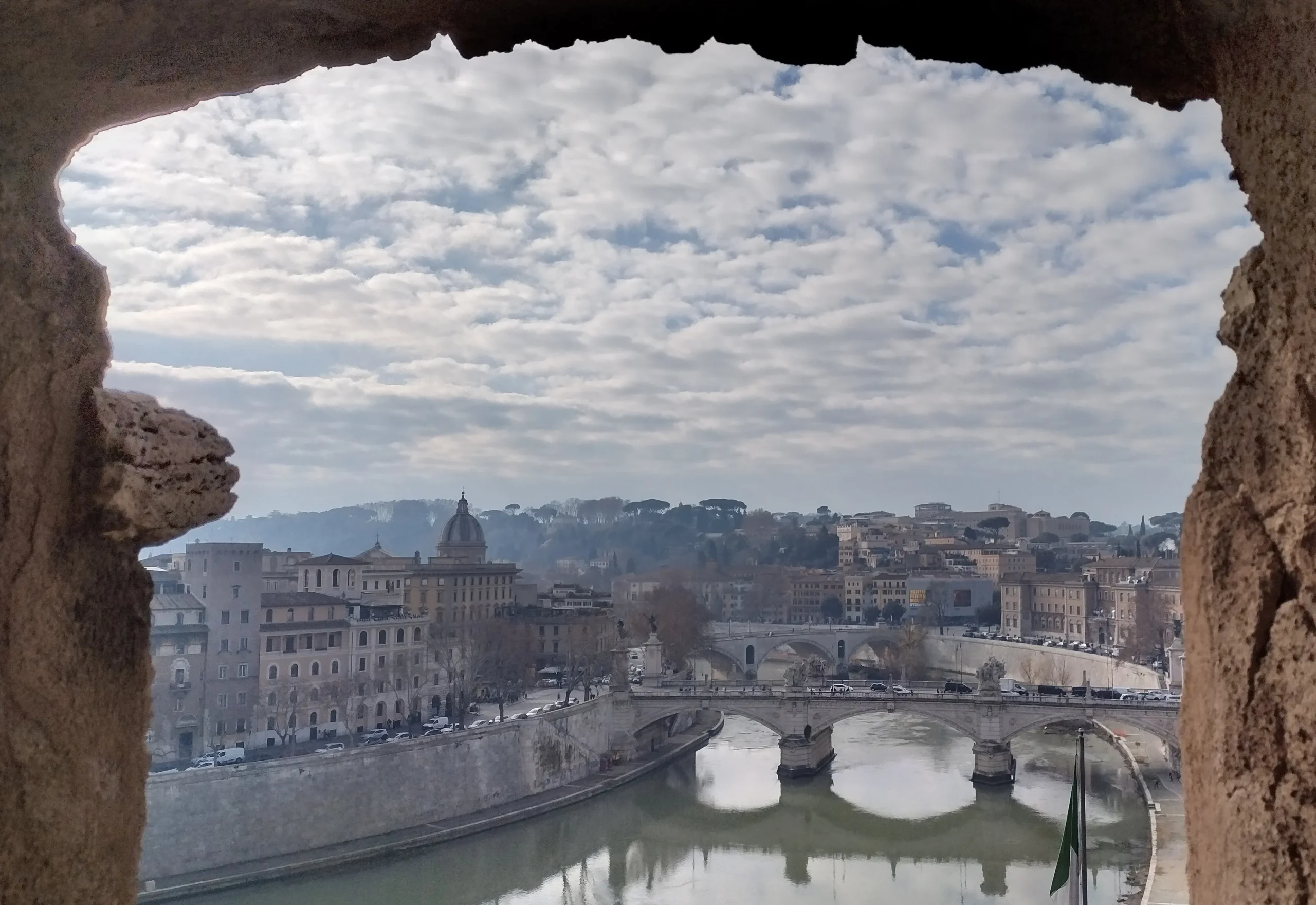
Where do you get the best views in the whole of Rome? I was pretty sure I knew and I wanted to show my partner. So here we are on one of the several terraces of the Castel Sant’Angelo, with the River Tiber below us. It’s a bright, beautiful morning and the sun is turning the ancient Ponte Sant’Angelo below us into a burnished road towards the timeless glory of the city on the opposite bank.
Because when this castle was built in the 2nd century AD, not as a fortress but as a mausoleum for the Emperor Hadrian, it was outside the city, and somehow it’s always been on the edge: on the bank of the river; on the border that separates the Papal power of the Vatican from the earthly power of kings, emperors and republics.
Hadrian lay here undisturbed for several hundred years, but eventually his tomb became a fortress and was then developed as a castle and a residence by successive popes. They even built a passageway so they could come here from their palace in the Vatican itself unmolested by the unwashed populace.
All this can be seen by visitors to the castle as they make their way up the broad spiral ramp of the Roman tomb and the narrower staircases of the castle and papal apartments. It’s popular, but the crowds from the Vatican don’t all come here, although they might if they knew about the stunning views of St Peter’s.
Here, with Rome glittering at our feet in the winter sun, we look upwards and see the enormous statue of St Michael that tops and names the castle, he being the “Angelo” or angel referred to in the name. Some say he appeared on top of the castle, sheathing his sword, after a particularly nasty 6th-century epidemic of the plague. But I prefer the story that tells how Pope Gregory I saw him there on his way home from an expedition to destroy a pagan idol the people had begun to worship. Because this castle was as much an exercise in papal control of the city as it was in protecting Rome from outside attacks.
Verdict: One of my favourite places to visit in Rome, especially for those views. Don’t miss it!
3. Trevi Fountain
After lunch we decide to push on to the Pantheon, but we’re too late. Tickets for the day are already sold out. We immediately buy online for tomorrow, but what are we going to do with the rest of our afternoon? There is one Roman monument not far away that no tourist should miss, and my partner has never been to Rome before, so we really should go and take at look at the Trevi Fountain.
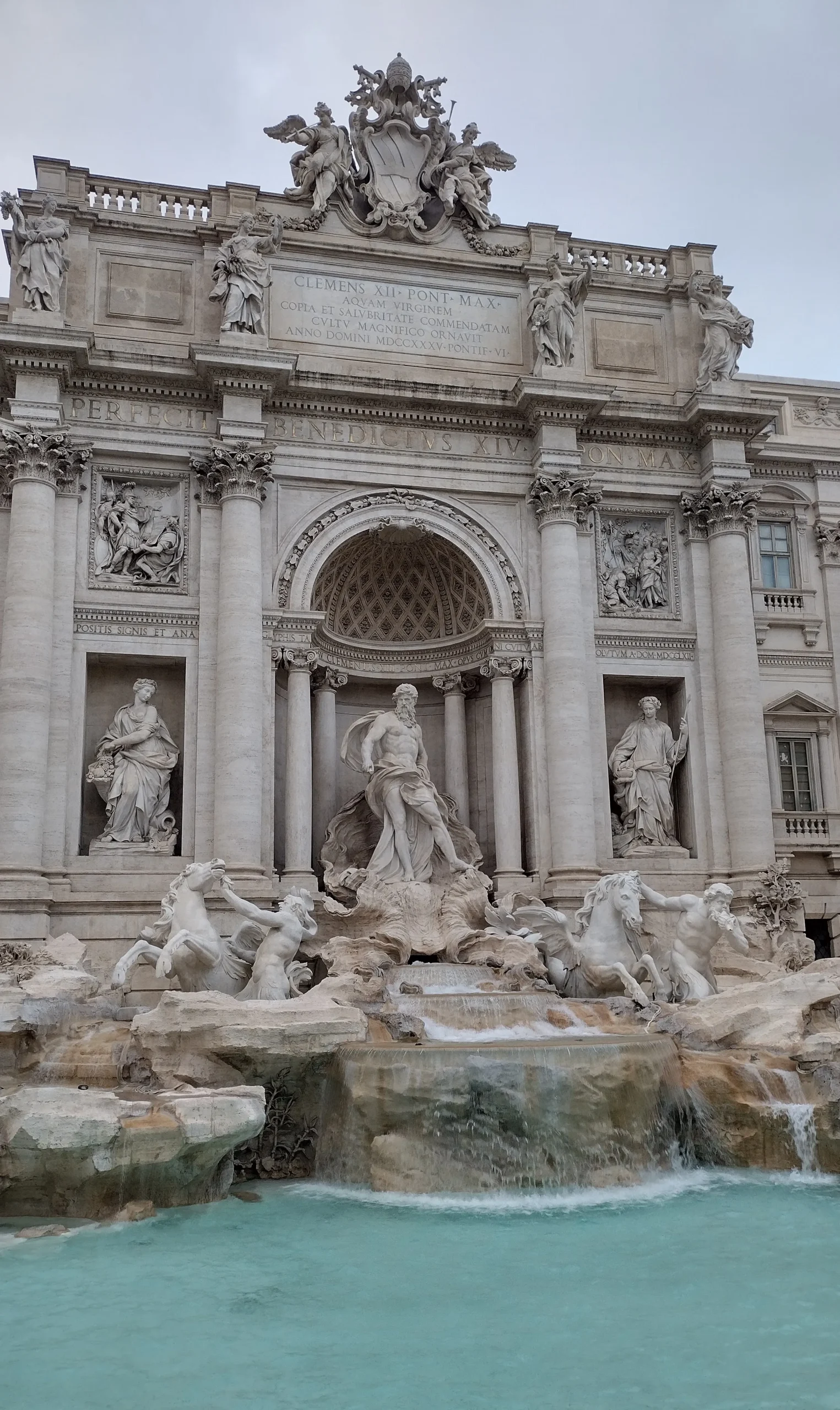
This turns out to be a terrible idea. The fountain is probably the most over-visited site in an over-visited city, and on this last day of the year everyone seems to have got it into their head to go there. The whole square is jammed with people.
Still unable to see any actual water, we gradually work our way through the scrum to the place where marble statues on the wall tell us the fountain must be. Getting near enough for a picture is like waiting to get served at a bar. You watch for spaces to move forward into while keeping a wary eye out for people barging in from the side. It’s not a pleasant experience and there’s no beer waiting at the end of it – just a very pedestrian selfie.
The tradition was once for visitors to toss a coin over their shoulders into a fountain to ensure they would return to Rome one day. Nowadays they are kept so far away that this is unthinkable. We’ll be back to Rome, but we won’t come here again. Ever.
Verdict: Avoid at all costs, unless you are intrepid enough to get here before dawn or during a pandemic.
4. The Pantheon
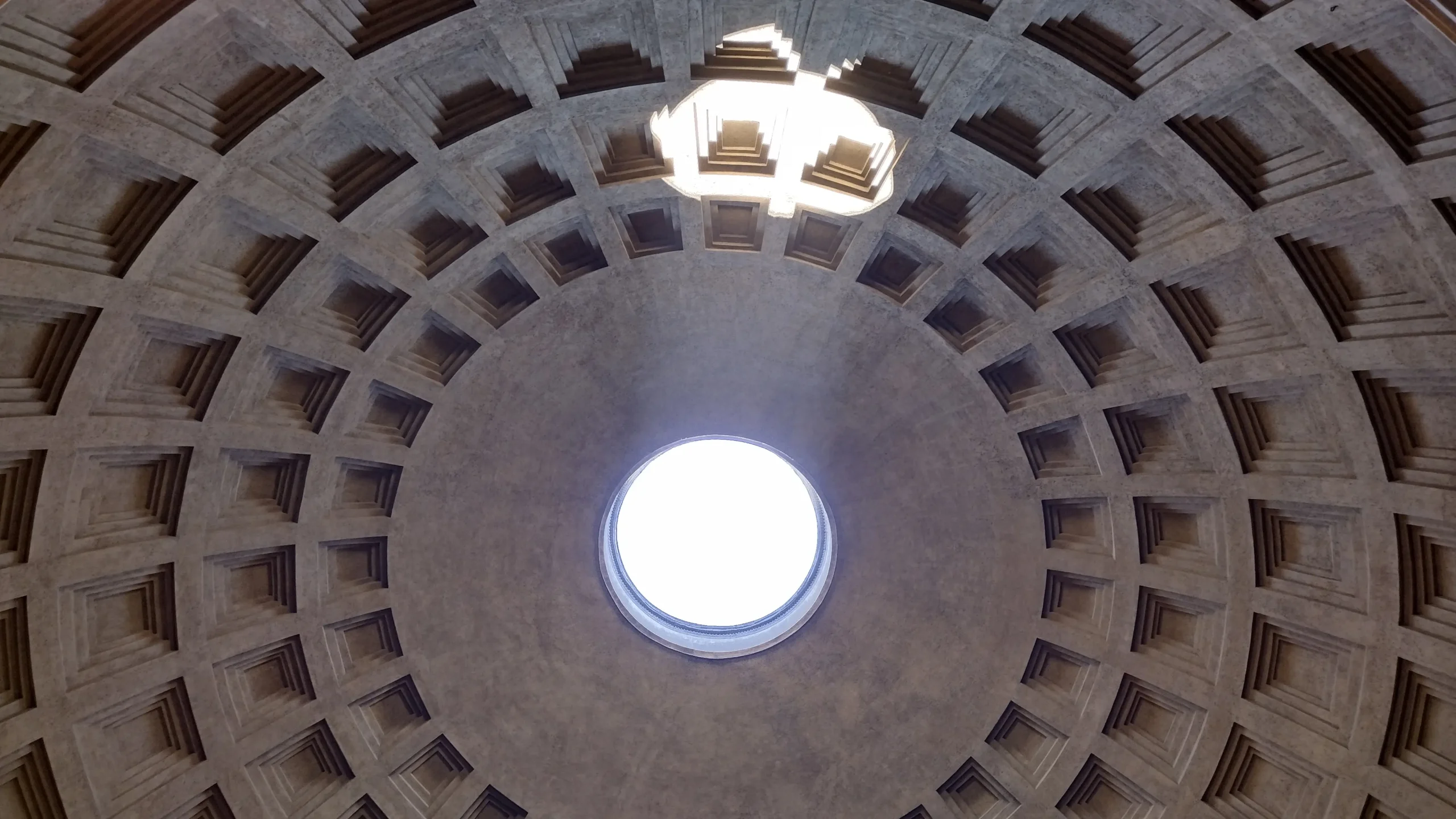
After messing up the day before, here we are back at the Pantheon, with tickets that are very reasonably priced considering this is my favourite place in all Rome. Why? Well, it could be because it’s such a rare thrill to be contemplating a building that’s stood, very little changed, for the best part of 2,000 years.
Or it could be because it’s so difficult to take a photograph that does it justice either from outside – whichever angle you choose it’s difficult to get far enough away and you can see very little of the astounding dome – or from inside, because including all of that dome is an insuperable challenge for all but the widest of wide-angle lenses.
Then again, after our experience at the Vatican and elsewhere, it could also be because of the no-fuss ticketing system. No wandering around backstreets looking for disreputable middleman agencies here. Just book online and walk straight in.
Today the Pantheon is a church, but it was built as a Roman temple in the 2nd century, replacing a previous temple that had stood on the site for a century or so (which, confusingly, is the one commemorated on the inscription outside on the portico). Since the Renaissance, it has also become a place for burying important figures and it now contains the tombs of artists like Raphael, as well as two Italian kings. There would probably have been more, as the royal family intended to make it their mausoleum, but Italy had the good sense to abolish its fascism-tainted monarchy in 1946.
We look round the walls at these various items of interest, but our eyes keep being drawn back to that mesmerising hemispherical dome overhead, with its characteristic hole in the middle. If I had to choose just one symbol of Rome, this would be it: ancient, beautiful and like nothing else in the world.
Verdict: Go! It’s easy, doesn’t require a long visit and you won’t regret it!
5. The Colosseum
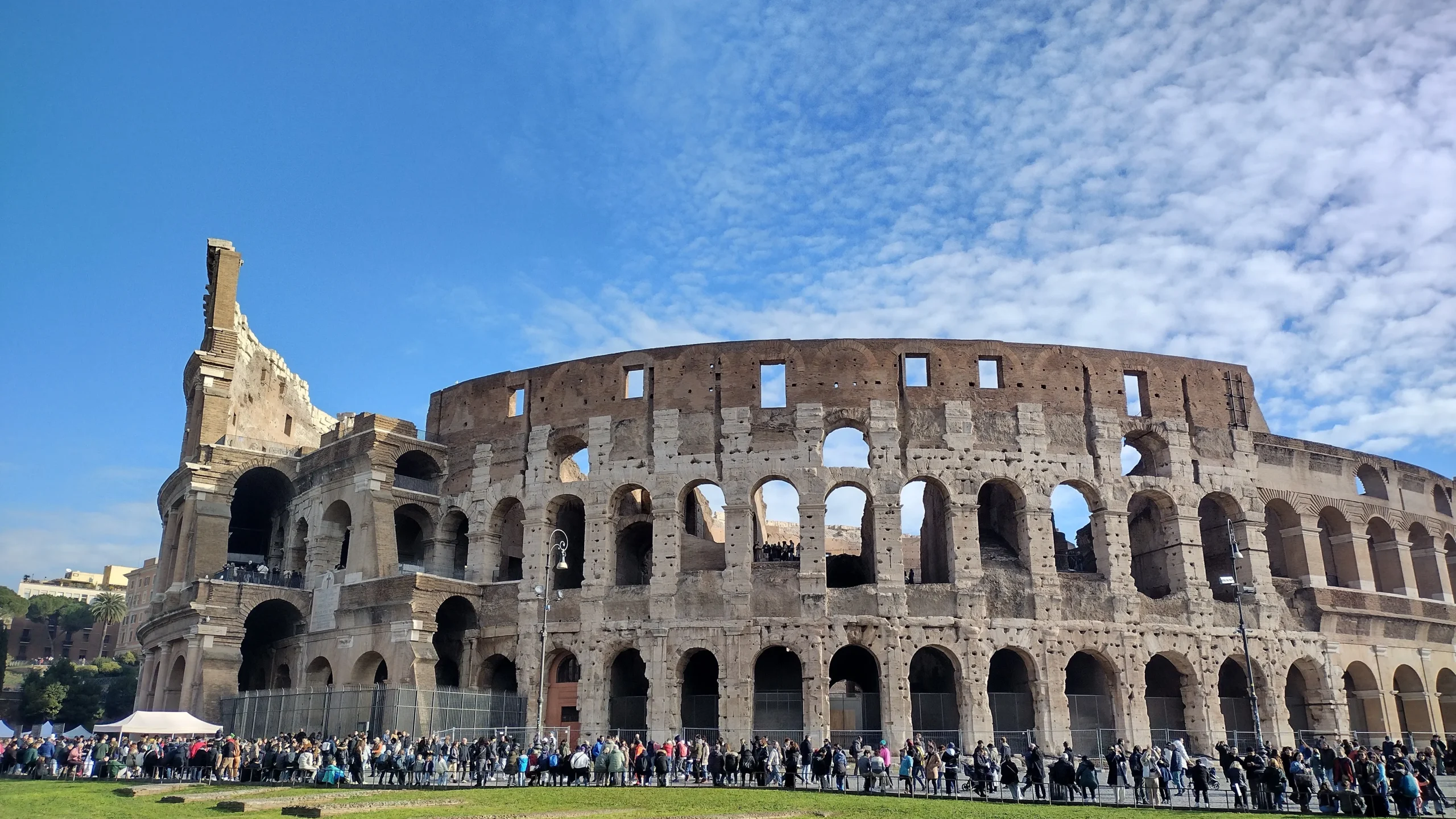
I might have picked out the Pantheon, but for most people, the Colosseum is Rome’s most recognisable building. There are certainly a lot of people here, but the open spaces around it can soak up the tourist hordes just as they absorbed the crowds who came to see the gladiators nearly two millennia ago.
We’re also back in the realms of obscure ticketing arrangements. We’ve booked, but our e-mail says we have to meet a mysterious agency representative who will have our tickets. We never actually find them, though, because, after arriving way too early and wandering around looking in vain for someone with a distinctive flag, we realise that the tickets are, in fact, attached to that very e-mail, so we just show them and go in. For all we know, a little man may still be waiting for us outside to this day!
The Colosseum is vast and, with the appropriate fitting out and restoration, would still make a fine modern football stadium. Once you realise that is what you’re dealing with, it’s easy to understand the architecture, which has been copied, more or less, in mass entertainment arenas down to the present day.
So it comes as rather a jolt to remember that this isn’t a monument to fair play and fine sporting moments, but to killing. This makes a visit to the Colosseum, for me, a rather sombre experience, but killing is what Roman audiences loved to see, especially gladiator fights. In fact, it was so much about gladiators that it is reported that other attractions, such as seeing reluctant Christians being fed to reluctant lions, used to be almost booed off by crowds eager to see muscle-bound men taking each other on with swords and spears and nets and tridents.
Admission was easier in those days than the confusing mess it is today, with different classes of ticket entitling you to visit different parts of the complex. Then it was free, because rich Roman patrons competed with each other to pay for the games. The only requirement was a strong stomach and a sufficient quantity of bloodlust.
Verdict: Go, by all means, but make sure you know what your ticket covers and be prepared to queue.
6. The Roman Forum
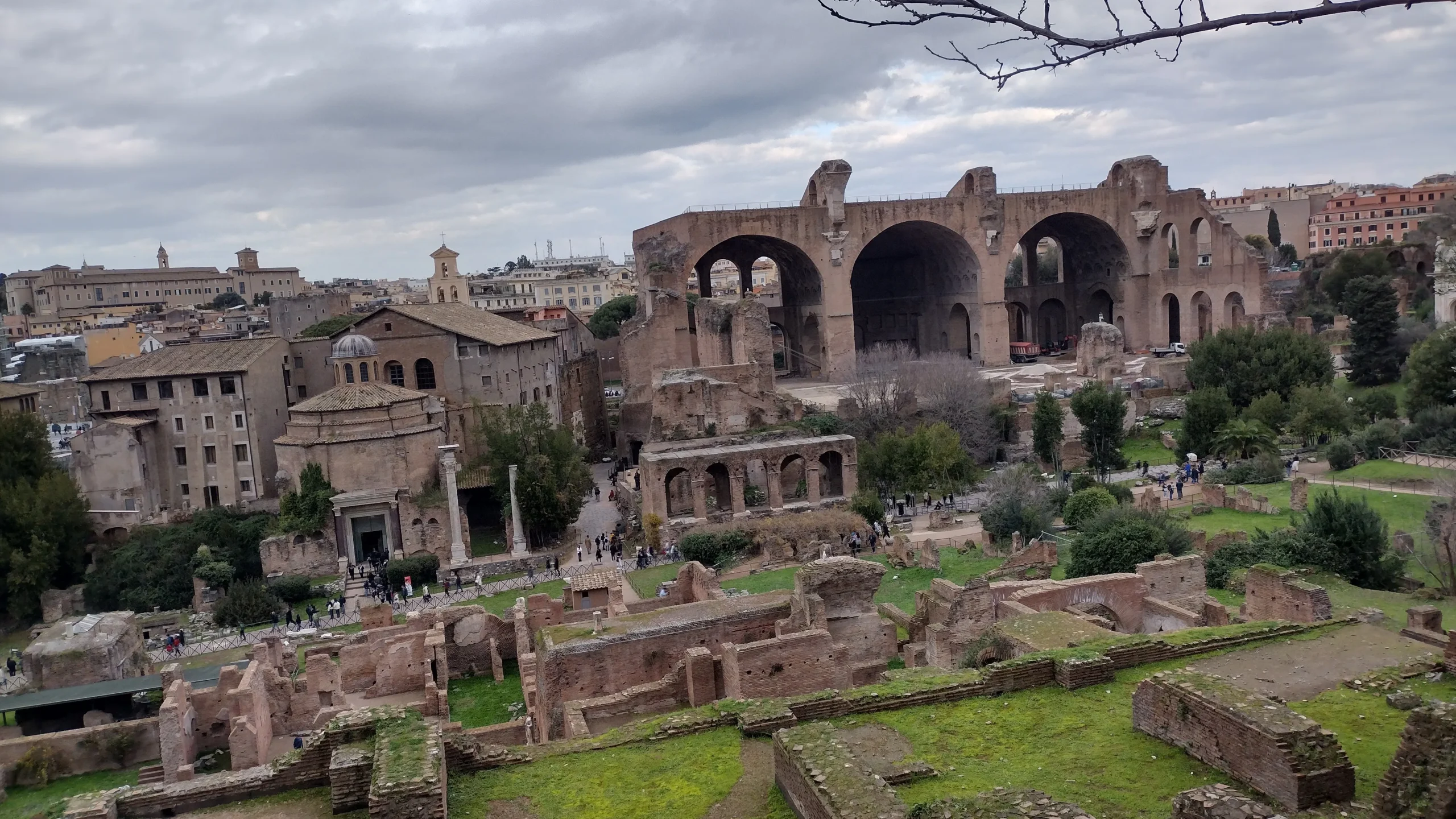
Ruins are all around us here, but this was once the centre of the world: the Forum at the heart of Rome. Here, the ancient city’s most distinguished citizens met, shopped, did business, worshipped, went to the baths and lived their lives. Here, on this very spot, emperors and generals led victorious legions in procession before their cheering people. As someone sensitive to history, its presence fires my imagination more strongly here than almost anywhere I’ve been in the world.
Today the Roman Forum site covers a whole series of ruined temples and civil buildings and extends over the Palatine Hill. Exhausted from the Colosseum and from queuing to get in here, we decide to take a fairly quick stroll through, but it’s still a fascinating and evocative place to be, all included in the Colosseum ticket.
Although I’d visited before, one thing I hadn’t realised was that the origin of the forum was as a marshy valley separating rival settlements on the hills of pre-Classical ancient Rome. Eventually, this became a meeting place for the people living on those hills, and the idea of a forum as a place to get together spread with the Empire as it developed.
Julius Caesar and later emperors began to develop new forums of their own a little way from the city’s main square and these can also be visited, but we’re tired and hungry and we decide a late lunch at a nearby restaurant is a more appetising option.
Verdict: Worth seeing for the atmosphere and because it’s included in your Colosseum ticket. There might be a queue to get in, but people soon disperse across the large site.
7. Saint Peter's Basilica
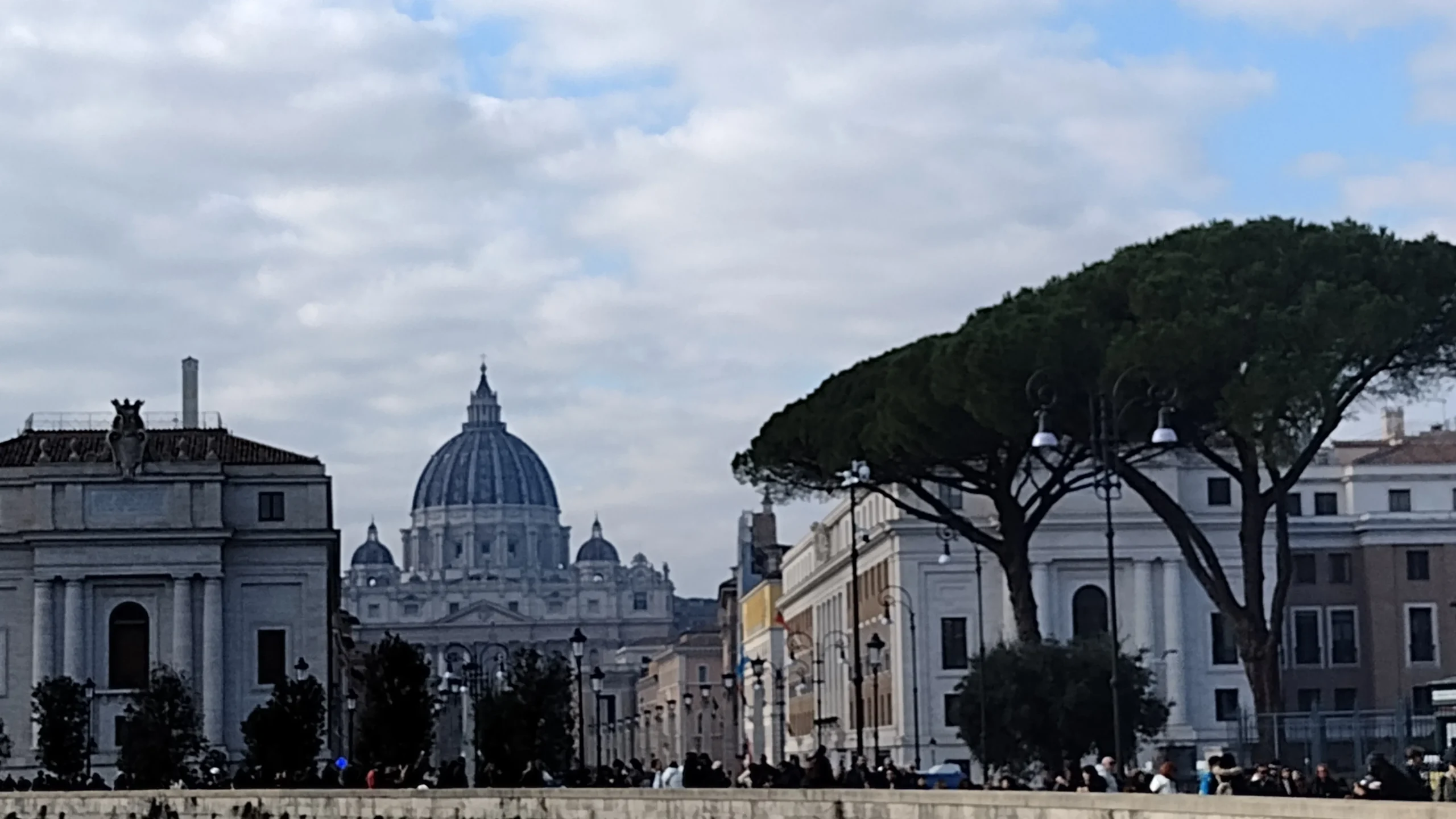
It’s our last morning and we’re going to a building we’ve passed every day we’ve been here – St. Peter’s Basilica, the Pope’s own church.
Once again, we’re back in the Roman looking-glass world of strange admission arrangements because it’s actually quite difficult to find out how to visit St. Peter’s. It seems that you can get in free if you’re prepared to queue up and take the risk that you might not make the cut. We didn’t have time for that, so we bought guaranteed admission, which, it turns out, comes in the form of a fake guided tour. Basically, we meet our “group” outside a local baker’s shop, follow a “guide” to the tours entrance of the church and up inside the dome (rather impressive) and the roof (rather dull). Then we’re on our own.
St. Peter’s is all about power. Built in the 16th century to replace a crumbling basilica dating back to Roman times, everything about it screams “I’m the Pope, sunshine and don’t you forget it!” It’s a theme repeated all over Rome, which has plaques everywhere remind us that for hundreds of years pontiffs weren’t simply religious leaders, they also ruled over large tracts of land. But nowhere is this message hammered home harder than in the marble and gold of St. Peter’s itself.
There is art here, of course, notably Michaelangelo’s intricate Pietà, but I find little to love. This is a basilica very much representing the Catholic Church as a massive moneymaking machine rather than providing sustenance to the poor and homeless who we’ve seen camping in the cold around the square outside, night after night. I can’t help wondering what Christ himself would think of all this. I have my suspicions.
Verdict: Visit if you like, but be prepared for the indignation you might well feel at such an overwhelming display of ecclesiastical power and glory.