Santa Maria de Lluçà
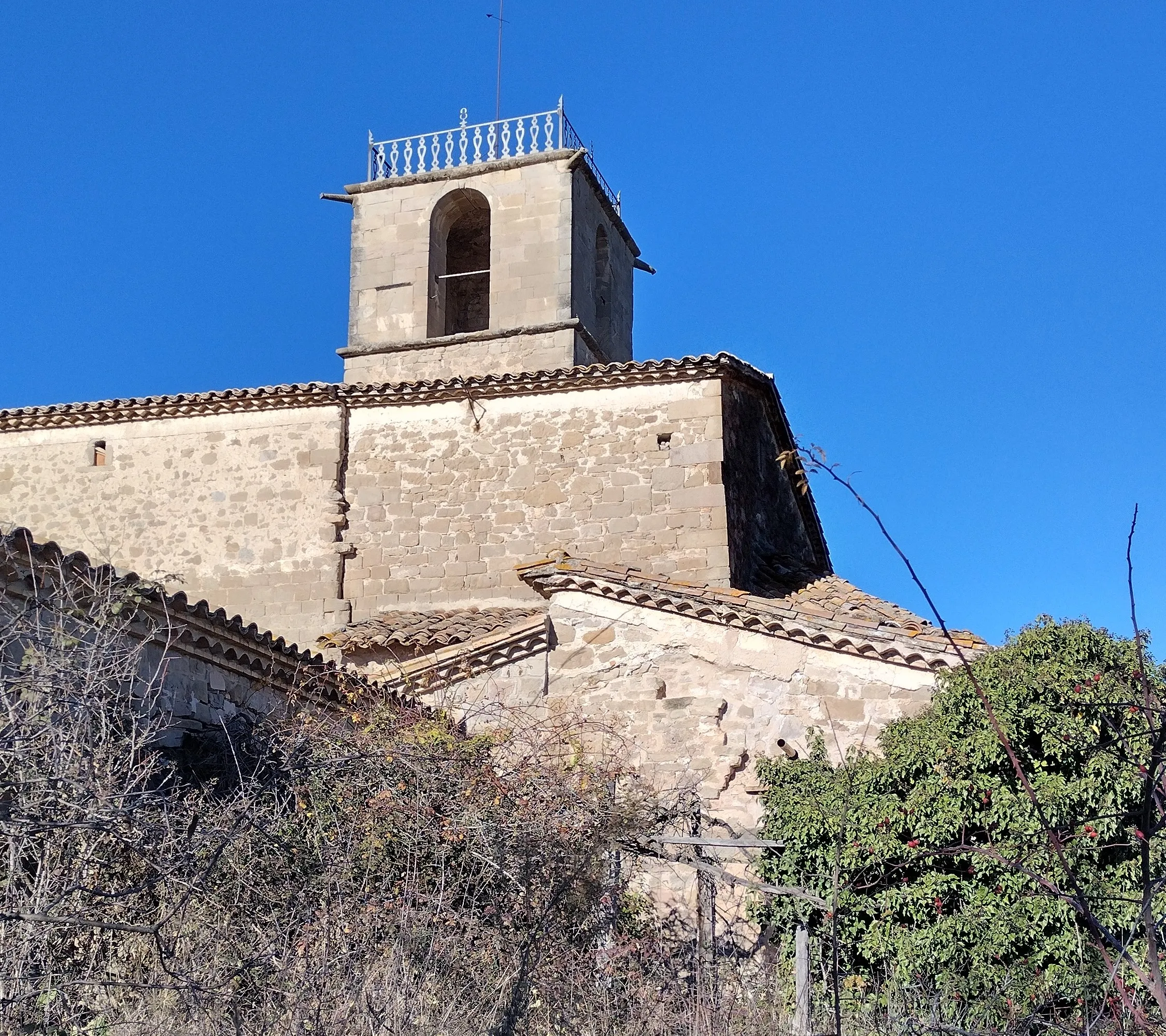
It's a spectacularly bright winter's day and we're headed for one of the best castles in Catalonia. Montesquiu Castle originally dates from the 9th century and was lived in continuously until just 50 years ago. It seems like the ideal place to visit in the no-man's land between Christmas and New Year. We've checked its website, we've checked Google and it's definitely open. Isn't it?
As we arrive, we're reminded that at this time of year you're as well off consulting a clairvoyant as you are looking at published opening times. By the gate, a handwritten sign blows our carefully laid plans into fragments of disappointment: "Closed until 7 January". What are we going to do? After a short walk in the park surrounding the castle casting mournful looks in its direction, we adjourn to the nearby village of Sant Quirze de Besora to take stock of our options over a coffee.
And that's when I notice that we're only about half an hour's drive away from the priory of Santa Maria de Lluçà. Of course, we have no way of knowing whether its published opening times are any more reliable than a proverbial sundial at midnight, but, reluctant to give the day up at this early stage, we decide to give it one last throw. The gamble turns out to be a winner.
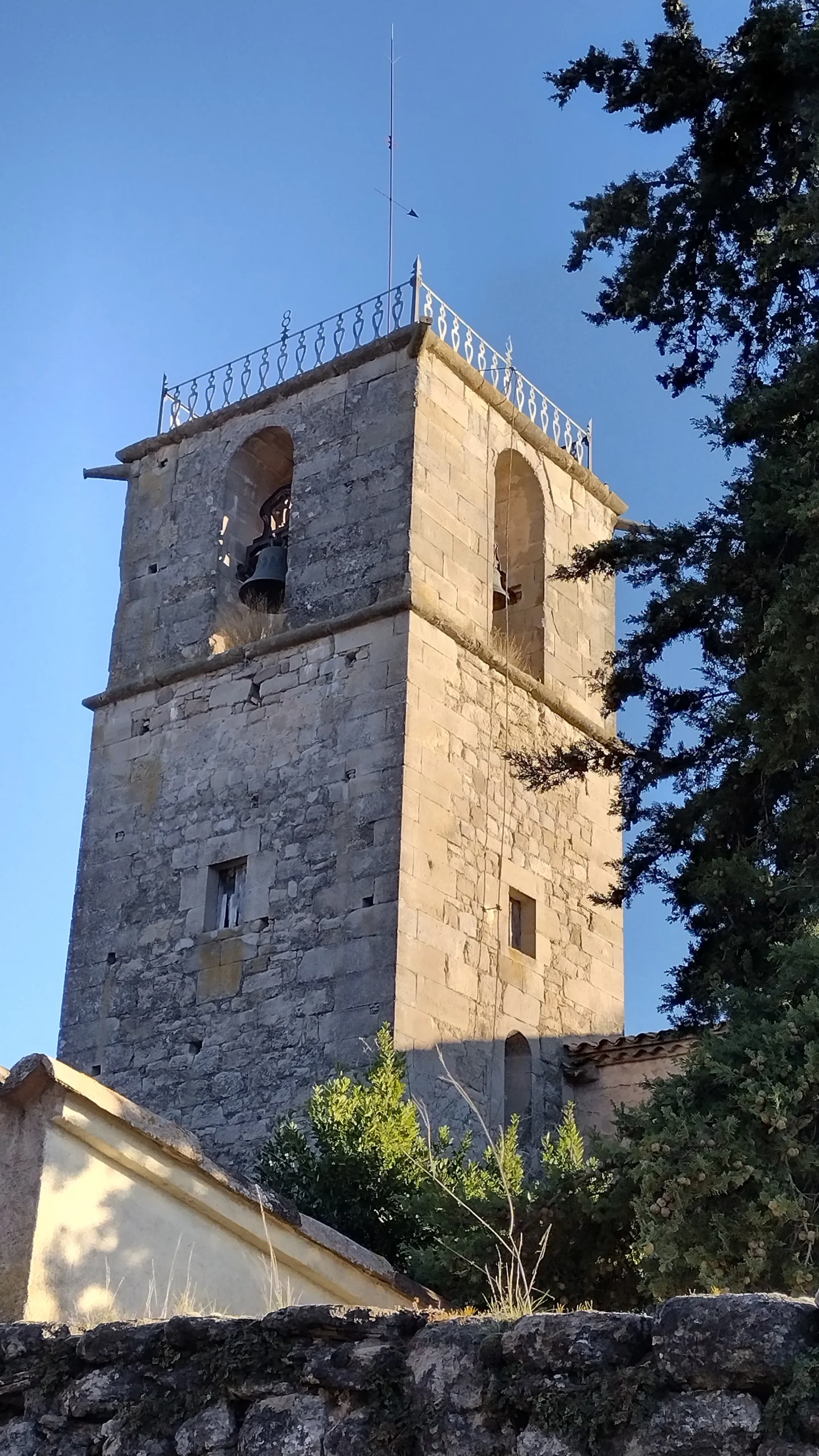
Lluçà, as its name suggests, lies in the Catalan county of El Lluçanès, which is so recently created and so firmly ensconced in the middle of nowhere that if you asked 100 people in Barcelona where it is, you'd probably get wildly differing and largely inaccurate answers. It's hilly rather than mountainous, but there are glorious views as the road winds its sunlit way towards Santa Maria. Just as we think we'll never arrive, the ancient church comes into view on top of a hill.
The priory was founded for a community of Augustinian canons in the mid-12th century, although the origins of the church may go back hundreds of years before that. It is simple and neat, with an austere beauty typical of the Catalan Romanesque style. Inside are copies of its altar front and crucifix (the originals, dating from the same period are in the Episcopal Museum in Vic) but the real treasures are to be found in and around cloister.
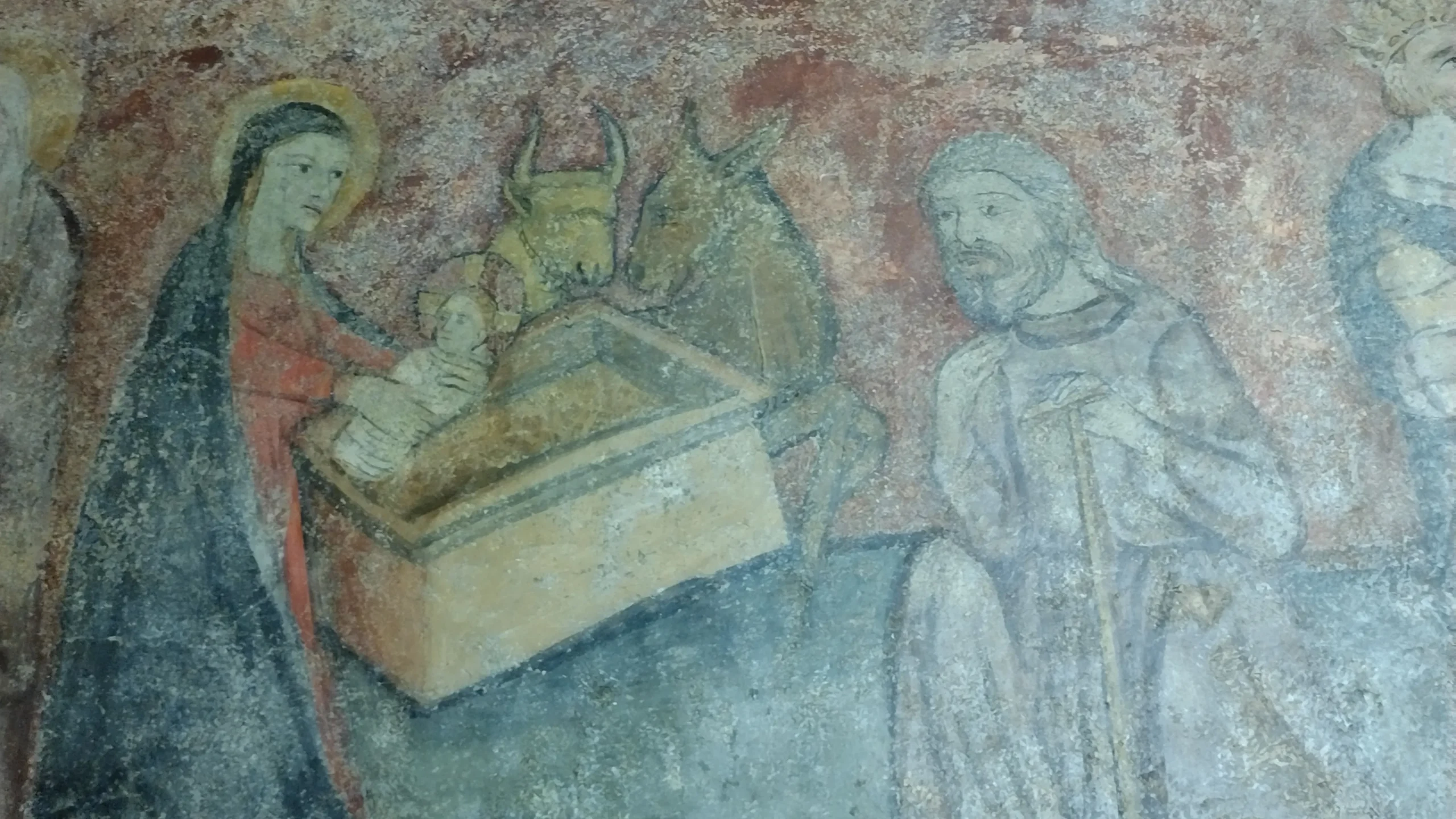
There, one of the side rooms displays gorgeous 14th-century wall paintings which, if they were anywhere else, would surely attract long queues of tourists. Here, you can just walk in and see them - when we visit, there isn't even anyone collecting an entrance fee. The paintings show biblical scenes including, appropriately for the time of year, various depictions of the Nativity. Like most medieval artists, the anonymous painter showed the characters dressed in the clothes of his time and the buildings and furniture are also of the same period, giving a good picture of what the 14th century must have really looked like.
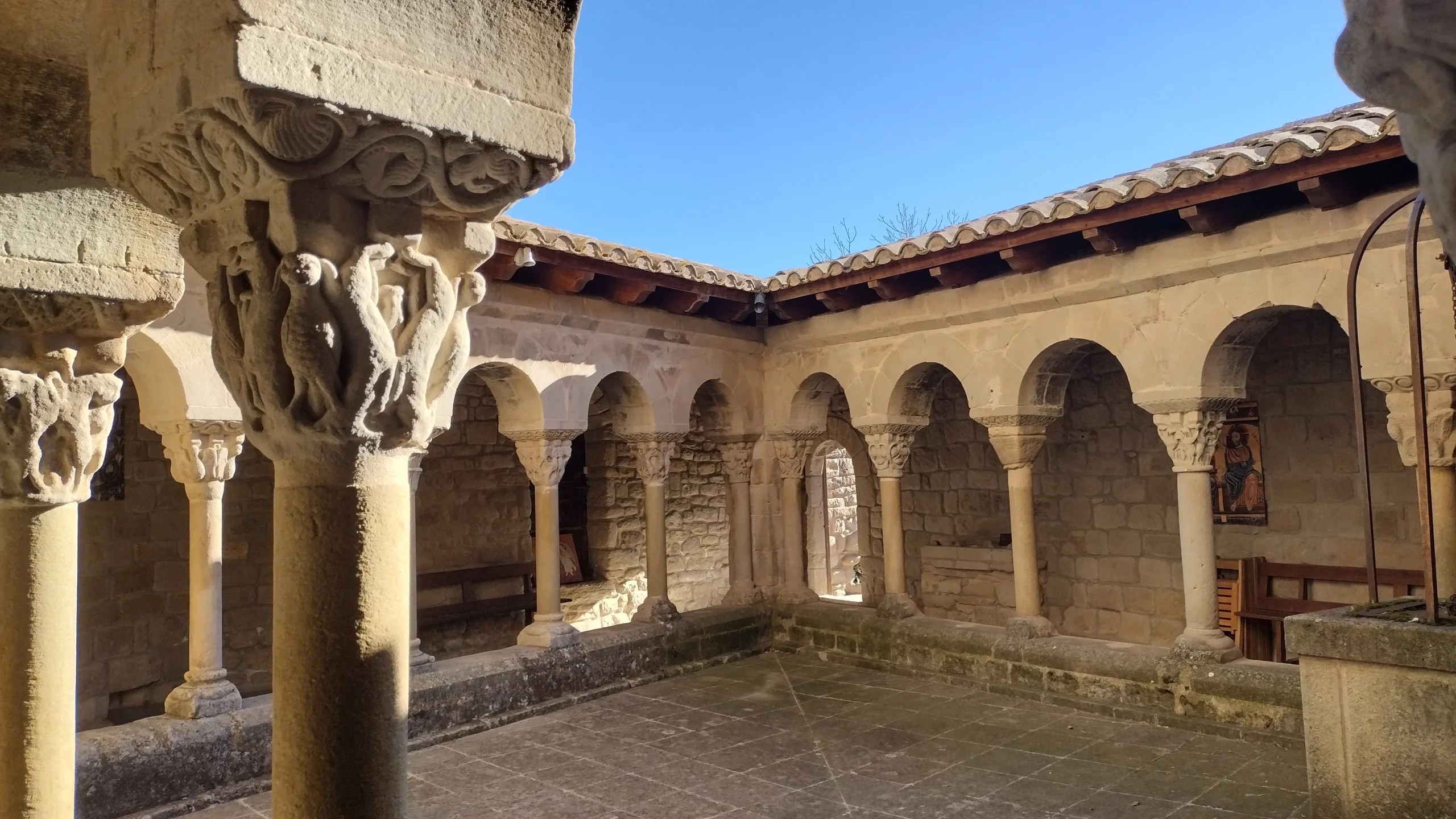
After a quick look outside at the remains of the cellar, trying not to trip over some ancient graves, we return to take a closer look at the cloister itself. As we view the sculpted capitals and tombs, one of the custodians of the monastery, who seems to be returning from a swift drink in the bar, appears to give us a colourful impromptu guided tour. He tells us that the irregular shape of the cloister is no accident. It seems that it was built, possibly by architectural experts of Arab origin, directly on to the bedrock. For that reason, it is not a perfect square. If it had been, says our guide, it would almost certainly have perished in one of the several 15th-century earthquakes that affected these parts.
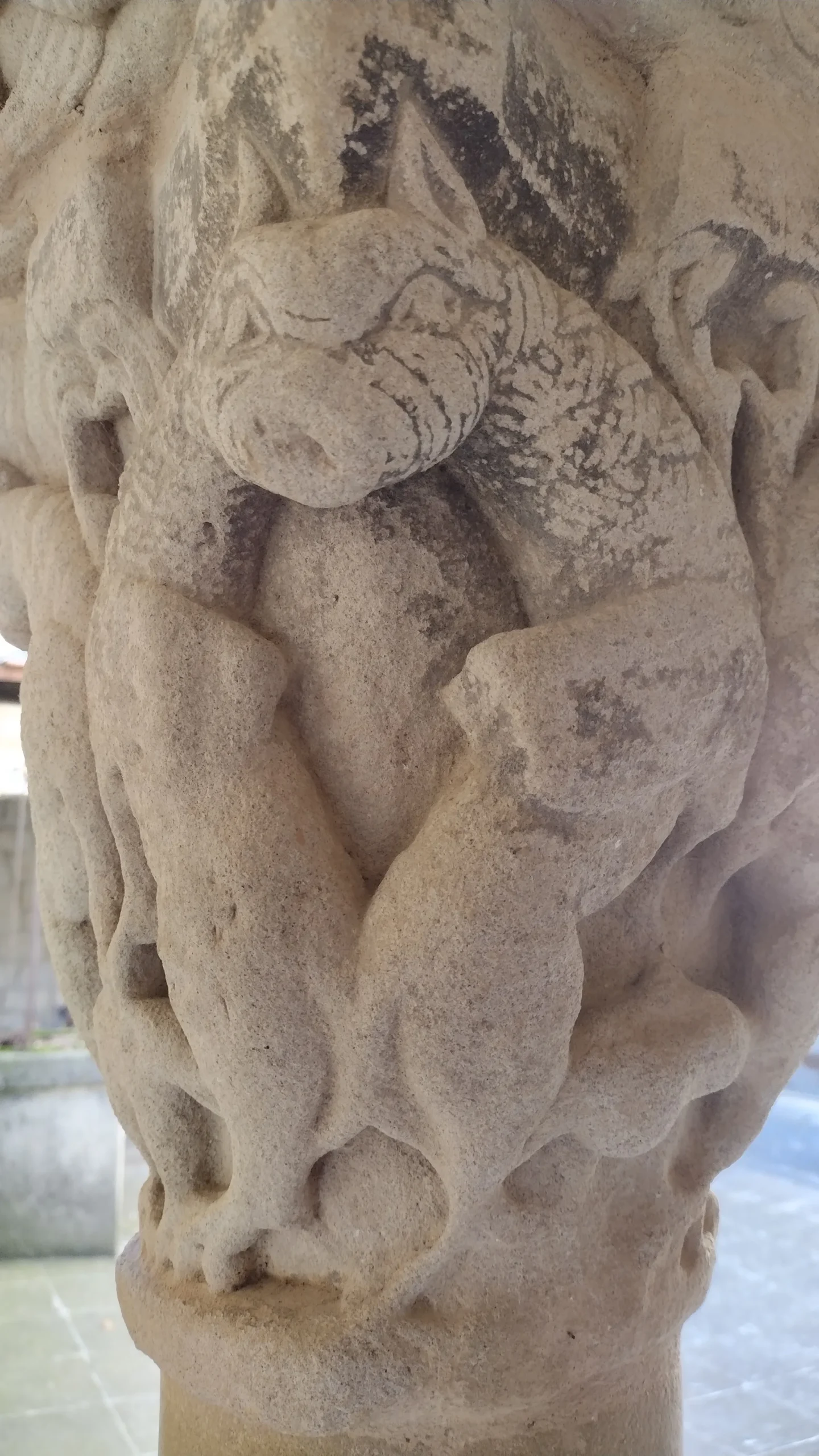
We move to leave, but as we are about to go another custodian comes and starts to tell us a similar story. We don't have the heart to snub her and we listen for a few moments to her more outlandish version of the story, in somewhat idiosyncratic Catalan. We gently try to slip away, but she's having none of it, telling us that she is Moldovan, although she doesn't disclose her reasons for choosing to live in the middle of Catalan nowhere. As we move into the church, her eyes light up a little unnervingly: "What you need to do is profess your faith," she tells us. "We need people to explain all about Jesus Christ and how he died for our sins." We don't have the heart to tell her that even on our most religious days we'd qualify as agnostics. Instead, as the old News of the World reporters used to do in strip clubs and brothels, we make our excuses and leave.
It's lunchtime, but the problem of where to eat seems easily solved, as there's a restaurant opposite. This is just as well, because it's quite late and for Lluçà to be a one-horse town it would need to be considerably larger. In fact, the place seems to consist only of the priory and the small hotel containing the restaurant. Fortunately for us, La Primitiva, as it is known, has a table for us, because it turns out to be one of the best restaurants we've ever tried in Catalonia. Don't bother asking for the menu though - here the owners bring you whatever they've felt like cooking. We eat a series of excellent starters providing clever little twists on Catalan cuisine. Brought one after the other, they range from kale fritters to rice cooked in squid ink, with an Argentinian barbecue of beef and lamb as a main course. Everything is splendid, including the wine. I'm told the dessert's great too, but as I'm not a chocolate lover I leave that to my partner.
Suitably filled, we wander out into the dwindling winter afternoon light. The views all around are drowsily beautiful and the sun-warmed air isn't even too chill. Is there a better place to be than the middle of nowhere on a day like this?